Water Damage at Home – What Should Be Fixed First?

Water Damage at Home – What Should Be Fixed First?
Water damage can happen suddenly — after a heavy storm, a burst pipe, or a leaking appliance — and the consequences can be serious if you don’t act fast. Water seeps into cracks, walls, and floors, and the longer it sits, the more extensive the damage becomes. But where should you start when disaster strikes? Here’s a guide to what should be fixed first and how to minimize the damage.
Stop the Water and Identify the Source
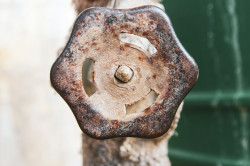
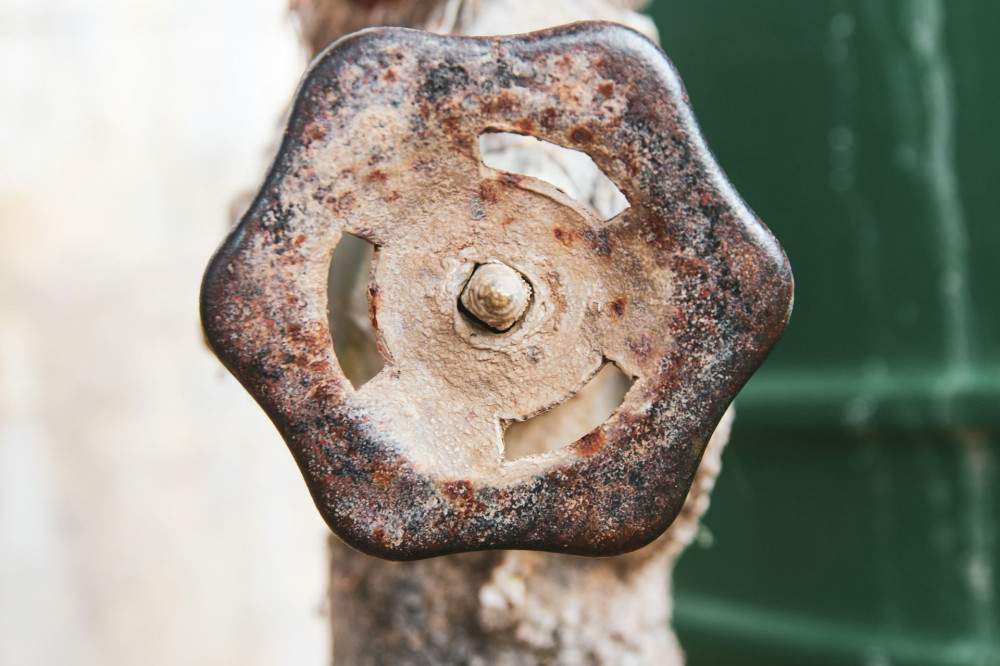
The first step is always to stop the flow of water. Shut off the main water valve if a pipe has burst, or cover the affected area if the water is coming from outside. The faster you stop the source, the less damage you’ll face.
Next, find out what caused the problem. Was it a broken pipe, a leaking roof, a malfunctioning washing machine, or groundwater seeping in? The cause determines how you should proceed — and who to call, such as your insurance company, a licensed plumber, or a restoration specialist.
Remove Standing Water and Start Drying
Once the water source is under control, remove as much water as possible. Use a wet/dry vacuum, towels, or mops, and open windows to improve ventilation. If there’s significant flooding, you may need to call a professional water damage restoration company. They have pumps, moisture meters, and industrial fans to handle large-scale drying.
After the water is removed, thoroughly dry the area. This process can take days or even weeks, depending on the extent of the damage. Use dehumidifiers and fans, and keep air circulating. Make sure everything is completely dry before starting repairs — otherwise, you risk mold growth and further structural damage.
Prioritize the Most Vulnerable Materials
Some materials are more sensitive to water than others. Wood floors, drywall, and insulation are especially vulnerable because they absorb moisture quickly and can lose their strength or develop mold. These should be addressed first.
- Floors: Remove carpets and padding to allow moisture to escape. If hardwood floors are buckling or warping, they may need to be replaced.
- Walls: Water-damaged drywall should be cut out and replaced. Moisture can travel upward inside walls, so check for hidden dampness before repainting or retexturing.
- Insulation: Wet insulation loses its effectiveness and can harbor mold. Replace it to maintain energy efficiency and indoor air quality.
Check Electrical Systems and Appliances
Water and electricity are a dangerous mix. If there’s any chance that water reached outlets, wiring, or electrical panels, turn off the power at the breaker box and call a licensed electrician. The same goes for HVAC systems, furnaces, or water heaters that may have been exposed to moisture — don’t turn them back on until they’ve been inspected.
Look for Hidden Damage
Even if everything looks dry on the surface, moisture can linger inside walls, floors, and ceilings. Use a moisture meter or hire a professional to perform a moisture inspection. Hidden dampness can lead to mold growth, which is both a health hazard and expensive to remove later. It’s better to be thorough now than to face another repair down the road.
Læs også:
Contact Your Insurance Company Early
Most homeowners’ insurance policies cover certain types of water damage, but coverage depends on the cause. Take photos of the damage and contact your insurance company as soon as possible. They can guide you through the claims process and may send an adjuster to assess the situation. Many insurers also work with restoration companies that can help with cleanup and documentation.
Prevent Future Water Damage
Once repairs are complete, take steps to prevent future problems. Clean gutters and downspouts regularly, check seals around windows and doors, and inspect plumbing and appliances for leaks. If your home is in a flood-prone area, consider installing a sump pump or a water leak detector in the basement or laundry room. These small investments can save you from major headaches later.
Quick Action Saves Money and Stress
Water damage can feel overwhelming, but acting quickly and methodically makes all the difference. Stop the water, dry everything thoroughly, and focus first on the materials most at risk. The sooner you respond, the less costly the repairs — and the faster your home can return to normal.
Læs også: