Avoid Sewer Odors in Your Home

Avoid Sewer Odors in Your Home
A foul smell coming from your drains or plumbing can quickly spread through your home and make everyday life unpleasant. In most cases, the problem is caused by small issues in the drainage system, lack of maintenance, or dried-out traps. Fortunately, with a few simple steps, you can prevent and eliminate these odors. Here’s a practical guide to keeping your plumbing system healthy and odor-free.
Why Do Sewer Odors Occur?
Sewer odors usually come from gases that escape through the plumbing system. These gases often contain sulfur compounds that smell like rotten eggs. When everything is working properly, water traps and sealed pipe connections keep these gases out of your home. But if something goes wrong, the smell can find its way indoors.
Common causes include:
- Dried-out P-traps – especially in drains that are rarely used, such as in guest bathrooms or basements.
- Leaky joints – small cracks or loose seals can allow odors to escape.
- Clogged drains – buildup of grease, hair, and soap scum can cause bacterial growth and bad smells.
- Ventilation issues – if the plumbing vent pipe is blocked, pressure changes can push sewer gases up through the drains.
Check and Maintain Your P-Traps
The P-trap is your first line of defense against sewer odors. It holds a small amount of water that acts as a barrier, preventing gases from rising into your home. If the trap dries out, that barrier disappears—and the smell comes through.
- Pour a little water into drains that aren’t used often.
- Add a small amount of mineral oil on top of the water to slow evaporation.
- Clean the trap a couple of times a year to remove grease and debris. You can do this by unscrewing it and rinsing it under running water.
Keep Drains Clean
A clean drain rarely smells. However, grease, hair, and food particles can quickly build up and cause both odors and clogs.
- Pour boiling water down the kitchen sink once a week to dissolve grease.
- Never pour oil, coffee grounds, or food scraps down the drain—throw them in the trash instead.
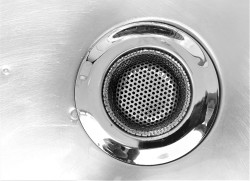
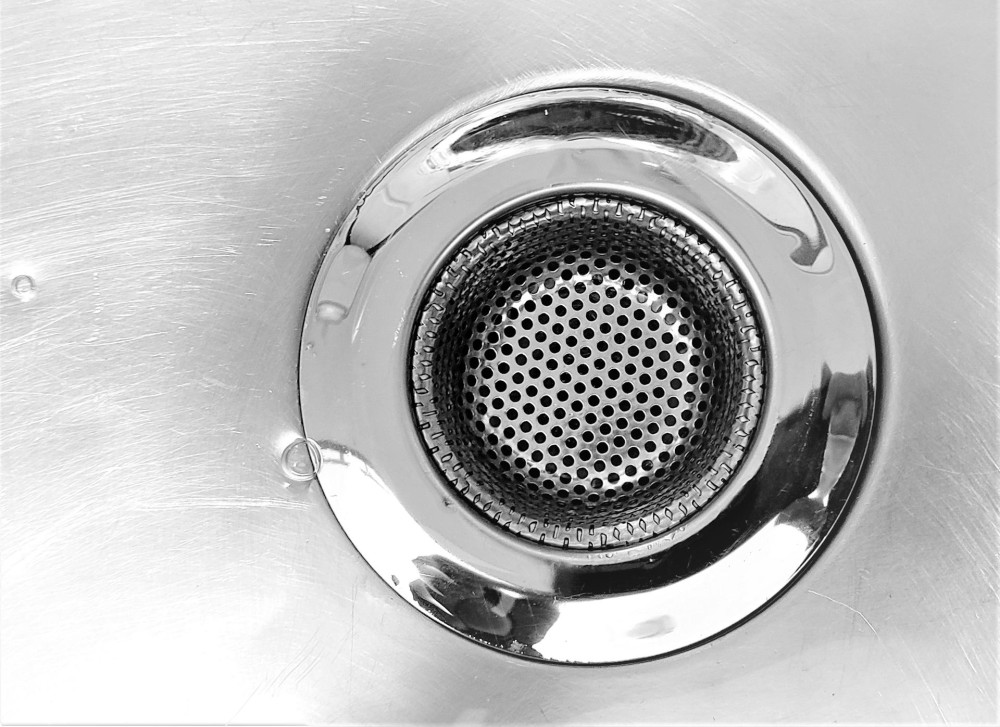
- Use a drain strainer to catch hair and larger debris.
- If an odor has already developed, pour a mixture of baking soda and vinegar into the drain, let it fizz, and then flush with hot water.
Læs også:

Ensure Proper Ventilation
Your plumbing system needs to “breathe.” The vent pipe—usually located on the roof—allows air to flow through the pipes and equalize pressure. If it becomes blocked by leaves, snow, or bird nests, the pressure can change and cause traps to empty, letting odors escape.
Check the vent pipe regularly to make sure it’s clear. If you live in an apartment or condo, contact building maintenance if you suspect a ventilation issue.
Pay Attention to Basements and Floor Drains
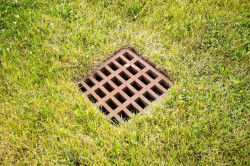
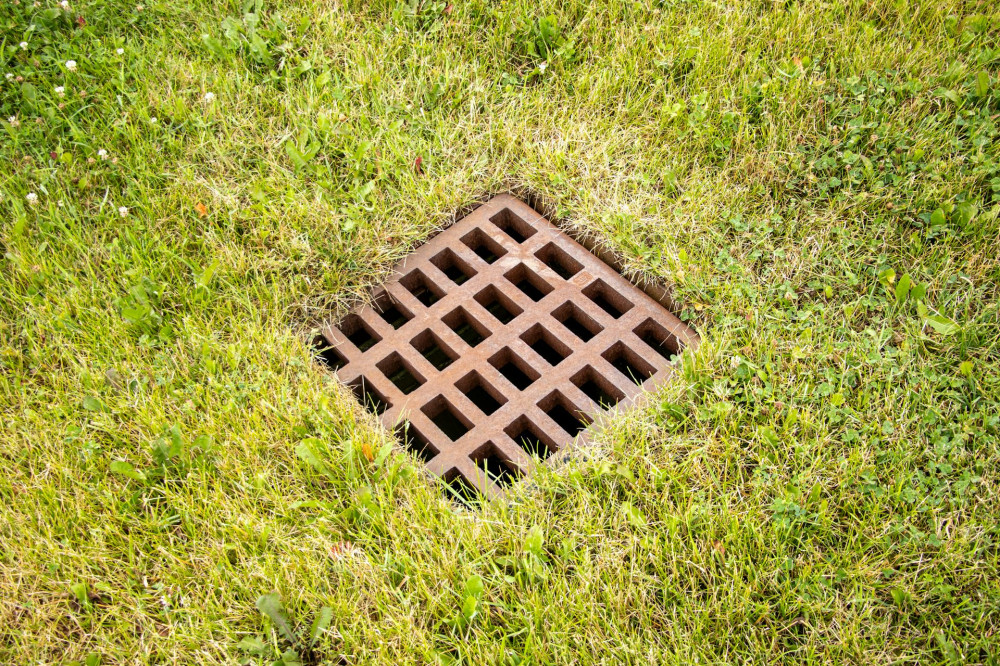
Basements, laundry rooms, and utility areas are especially prone to sewer odors because their drains are often used infrequently. A dried-out floor drain is a common culprit.
- Pour water into floor drains every month.
- If the smell persists, check whether the trap is damaged or leaking.
- In older homes, it may be necessary to replace worn-out drain components to ensure a proper seal.
When to Call a Professional
If the odor continues even after cleaning and checking your drains, there may be a more serious problem—such as a cracked pipe, a broken trap under the floor, or a damaged sewer line. In that case, contact a licensed plumber. They can perform a smoke test or camera inspection to locate the source of the smell.
While it may seem like an expense, a professional inspection can prevent bigger issues and help keep your home safe and comfortable.
A Healthy Plumbing System Means a Fresher Home
A well-maintained plumbing system isn’t just about comfort—it also affects indoor air quality and hygiene. By maintaining your traps, cleaning your drains, and ensuring proper ventilation, you can prevent most sewer odors and extend the life of your plumbing.
Small habits make a big difference: a little water in unused drains, a weekly flush with hot water, and attention to any changes in smell or sound. With these simple steps, you can enjoy a fresh, odor-free home all year round.
Læs også: