Rats in the Sewer? How to Handle the Problem Safely and Effectively

Rats in the Sewer? How to Handle the Problem Safely and Effectively
Finding out that rats may be living in your sewer system is enough to make any homeowner uneasy—and for good reason. Sewer rats can damage pipes, spread disease, and even find their way into your home. The good news is that with the right knowledge and a few preventive steps, you can handle the problem safely and effectively. Here’s a guide to recognizing, addressing, and preventing sewer rat infestations in the U.S.
How to Spot Signs of Rats
Rats are nocturnal and secretive, but they leave behind clear evidence of their presence. Watch for these common signs:
- Scratching or squeaking sounds coming from drains, walls, or under floors.
- Burrow holes near sewer lines, foundations, or outdoor drains.
- Rat droppings—dark, pellet-shaped, and about half an inch long—around utility areas or near sewer grates.
- A strong ammonia-like odor, which can come from rat urine.
- Gnaw marks or damage on pipes, plastic fittings, or drain covers.
If you notice one or more of these signs, act quickly. The sooner you address the issue, the less likely it is to spread or cause structural damage.
Læs også:
What to Do First
If you suspect rats in your sewer or plumbing system, contact a licensed pest control professional. In most U.S. states, homeowners are responsible for managing pest issues on their property, but professionals have the tools and training to handle sewer infestations safely.
Avoid using poison or chemical baits in drains or sewers yourself. These substances can contaminate water systems and may cause rats to die in inaccessible areas, leading to odor and sanitation problems. Instead, focus on limiting access points and keeping the area clean until help arrives.
Preventing Rats in the Sewer
Prevention is the most effective way to avoid a rat problem. Here are some key steps to take:
- Install a sewer rat guard or backflow valve. These devices prevent rats from traveling from the public sewer into your home’s plumbing.
- Inspect and maintain your plumbing. Cracked or corroded pipes are open doors for rats. Have a plumber perform a camera inspection if you suspect damage.
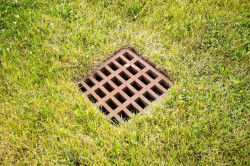
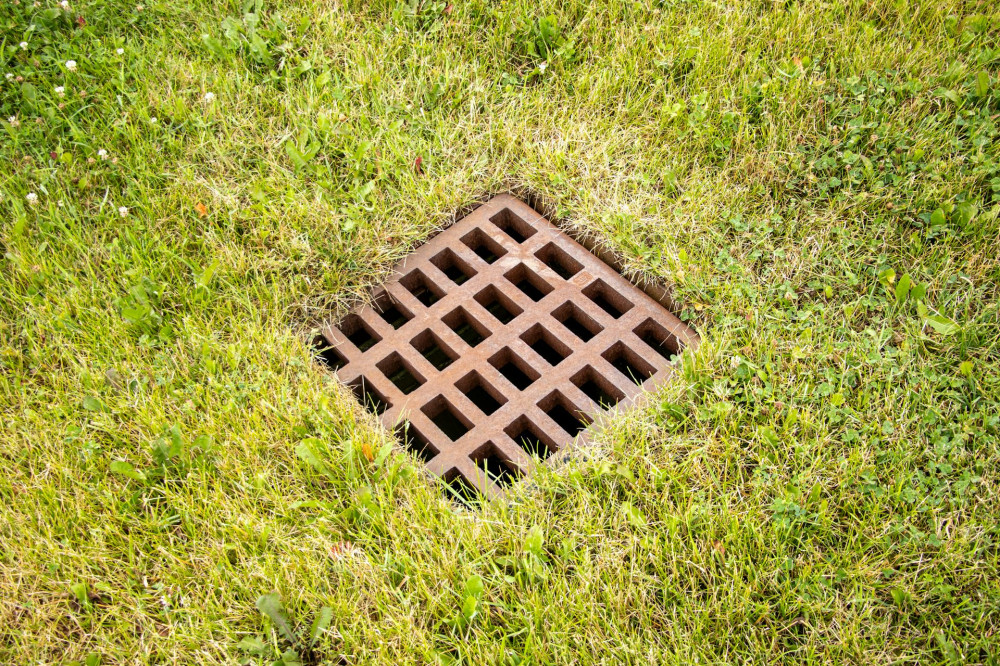
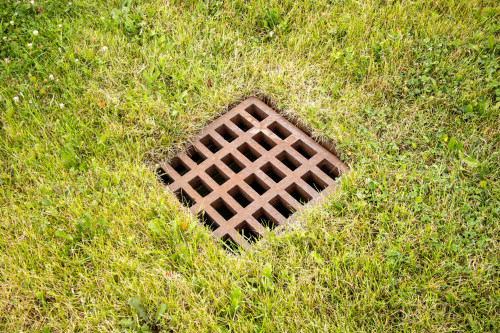
- Keep drain covers and grates secure. Replace any broken or loose covers immediately.
- Dispose of food waste properly. Never pour grease or food scraps down the drain—rats are drawn to the smell of food in pipes.
- Keep your yard tidy. Remove clutter, pet food, and dense vegetation near your home’s foundation to reduce hiding spots.
If Rats Get Inside the House
If rats have already made their way indoors, act fast. Seal any visible openings around pipes, vents, and foundations using steel mesh or cement—rats can chew through plastic and wood but not metal.
Avoid using poison indoors, as it can create secondary problems when rats die in walls or crawl spaces. A pest control expert can determine where traps or bait stations can be placed safely and legally.
When to Call a Plumber
If you suspect that rats are entering through damaged sewer lines, a licensed plumber can help. Using a sewer camera, they can inspect the pipes from the inside and locate cracks or entry points. This is especially important if you’ve had recurring rat issues even after pest control treatments.
Some homeowners’ insurance policies may cover repairs for sewer damage caused by rodents, but documentation from a licensed professional is usually required. Getting a proper inspection can save you time and money in the long run.
Peace of Mind Through Maintenance
Rats in the sewer aren’t a sign of poor hygiene—they can affect any home, old or new. But with regular maintenance, a secure sewer system, and quick action at the first sign of trouble, you can greatly reduce your risk.
Think of your sewer system as part of your home’s foundation: it’s out of sight, but essential to your health and comfort. A little attention now can prevent major headaches later.
Læs også: