Avoid Flooding: Install Water Alarm Sensors in Your Basement

Avoid Flooding: Install Water Alarm Sensors in Your Basement
A flooded basement can quickly turn into a costly and stressful disaster. Heavy rain, burst pipes, or a malfunctioning sump pump can damage floors, walls, and personal belongings—and even lead to mold growth and long-term structural issues. Fortunately, there’s a simple and effective way to detect water before it causes major damage: a water alarm sensor. Here’s why and how you should install water alarm sensors in your basement.
Why a Water Alarm Is a Smart Investment
A water alarm sensor works much like a smoke detector—but for water. It detects moisture or standing water on the floor and sounds an alarm before the problem escalates. That early warning can mean the difference between a quick cleanup and thousands of dollars in repairs.
Most basement floods happen when no one is home or during the night, allowing water to accumulate unnoticed. A water alarm can serve as an inexpensive safeguard against major losses. Some homeowners’ insurance companies even offer discounts for homes equipped with leak detection systems, recognizing their role in preventing costly claims.
How a Water Alarm Sensor Works
A typical water alarm sensor is a small device with two metal contacts placed near the floor. When water touches the contacts, it completes an electrical circuit and triggers the alarm. Depending on the model, the alert can be:
- Audible and visual, with a loud siren and flashing light.
- Wireless, sending notifications to your smartphone or email.
- Integrated into a smart home system, allowing you to monitor your basement alongside other home sensors.
Some advanced models can even connect to an automatic shut-off valve that stops the water supply when a leak is detected.
Where to Place the Sensors
Proper placement is key to getting the most out of your water alarm system. Install sensors in areas where leaks or flooding are most likely to occur:
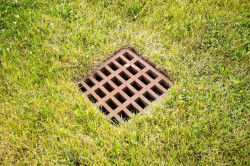
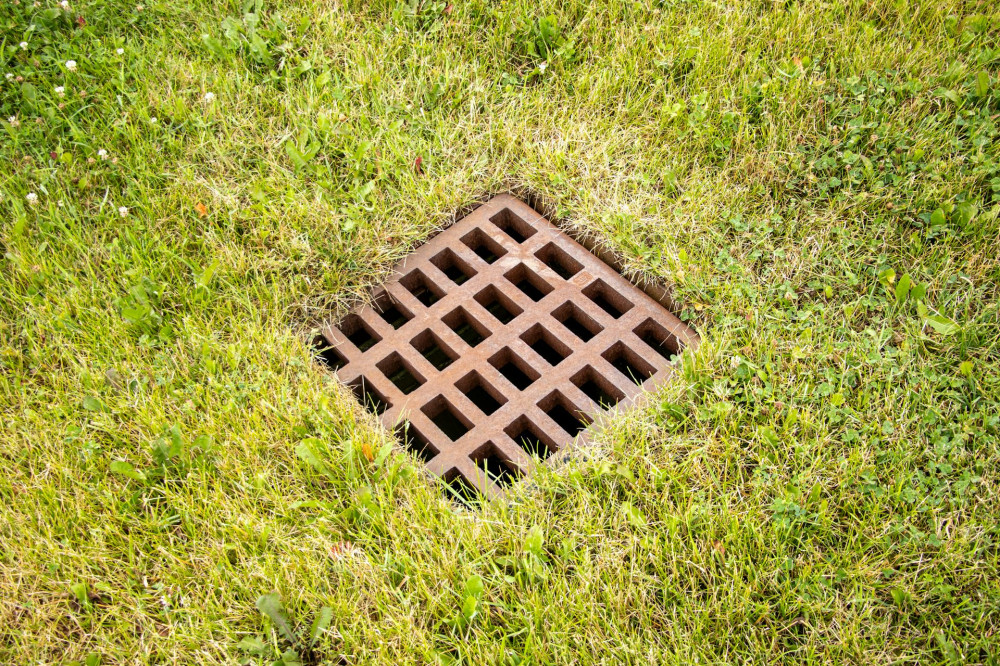
- Near the sump pump and floor drains – common sources of overflow.
- By the water heater and plumbing lines – especially if your pipes are older.
- Along exterior walls and basement windows – where rainwater can seep in.
- Close to washing machines and utility sinks – frequent spots for leaks.
- At the base of basement stairs or doors – if surface water could enter during heavy rain.
If your basement is large, consider installing multiple sensors to cover different zones.
Easy DIY Installation
Most water alarms are designed for simple, do-it-yourself installation. To set one up:
- Place the sensor on a flat surface near the floor.
- Make sure the contacts touch the surface where water would first appear.
- Test the alarm by applying a small amount of water to the sensor.
- Insert batteries or plug in the device, depending on the model.
If you choose a wireless or smart model, follow the manufacturer’s instructions to connect it to your Wi-Fi or app. The process usually takes just a few minutes.
Maintenance and Testing
Water alarms require very little maintenance, but regular testing is important—ideally a couple of times a year. Check that the batteries are working and that the alarm sounds properly. Wipe away dust or debris that could affect sensitivity.
If you have multiple sensors, keep a simple log of when each one was last tested. This ensures your system is always ready when you need it most.
Combine Detection with Prevention
While a water alarm provides valuable protection, it should complement other preventive measures. Keep gutters, downspouts, and exterior drains clear. Make sure basement windows and doors are properly sealed. If you live in an area prone to heavy rain or flash flooding, consider installing a backwater valve or sump pump backup system.
By combining prevention with early detection, you’ll have the best defense against basement flooding—and greater peace of mind when storms roll in.
Læs også:


A Small Investment with Big Benefits
A water alarm sensor typically costs less than a dinner out but can save you thousands in repairs and lost belongings. It’s easy to install, requires minimal upkeep, and alerts you before a small leak becomes a major problem.
In short: a small investment that can make a big difference for your basement and your home’s safety.
Læs også: