Modern Architecture Meets Classic Sealing Methods

Modern Architecture Meets Classic Sealing Methods
As contemporary architecture continues to evolve with sleek lines, expansive glass panels, and minimalist façades, it might seem far removed from traditional craftsmanship. Yet, a growing number of architects and builders in the United States are rediscovering the value of combining modern design with time-tested masonry and sealing techniques. Classic mortar and joint methods, once common in historic American buildings, are proving to offer both aesthetic and technical advantages that align perfectly with today’s focus on sustainability and material authenticity.
Rediscovering the Craft
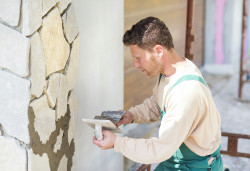
For decades, efficiency and standardization have dominated construction practices. Mortar joints were often treated as purely functional rather than as design elements. But as architects and homeowners increasingly appreciate the tactile and visual qualities of craftsmanship, traditional sealing methods are making a comeback.
Techniques such as struck joints, raked joints, and flush joints can dramatically influence the character of a brick wall. These subtle variations in depth and texture catch light differently throughout the day, adding warmth and dimension to modern façades that might otherwise appear flat or sterile.
Læs også:
The Return of Lime Mortar
At the heart of many classic sealing methods is lime mortar—a material that predates the widespread use of Portland cement. While cement-based mortars became the norm in the 20th century for their strength and quick setting time, lime mortar is now being re-evaluated for its flexibility, breathability, and environmental benefits.
Lime mortar allows masonry to expand and contract naturally with temperature and moisture changes, reducing the risk of cracking. It also enables moisture to evaporate through the wall, helping prevent trapped dampness and mold—an important consideration in both humid and cold U.S. climates. Moreover, lime mortar can be repaired locally without replacing entire sections, making it a sustainable choice for both restoration and new construction.
Where Old Meets New
Across the country, from adaptive reuse projects in New York to new residential builds in California, architects are blending modern design with traditional masonry detailing. By pairing hand-pressed bricks with soft lime joints, designers achieve façades that feel both contemporary and timeless. The color and texture of the mortar play a crucial role: a light joint can emphasize the rhythm of the brickwork, while a darker one can create a more monolithic, sculptural appearance.
This approach not only enhances visual depth but also connects new buildings to the architectural heritage of their surroundings—bridging the gap between innovation and tradition.
Durability and Maintenance
One of the key advantages of classic sealing methods is their long-term maintainability. Lime-based joints age gracefully, developing a natural patina that complements the building’s evolution over time. When repairs are needed, they can be done selectively, preserving the integrity of the original structure.
However, these methods require skill and experience. Working with lime mortar demands attention to weather conditions, proper mixing ratios, and careful application. For this reason, many U.S. restoration specialists and masons are reintroducing traditional training programs to ensure that these techniques are executed with the precision they deserve.
A Tactile Aesthetic
In an era when many buildings are defined by smooth, uniform surfaces, traditional sealing methods offer a welcome sense of texture and human touch. The subtle irregularities in joint width, the soft transitions between brick and mortar, and the play of light across the surface all contribute to a richer architectural experience.
This isn’t about nostalgia—it’s about learning from the past to build better today. When modern architecture meets classic sealing methods, the result is a dialogue between precision and craftsmanship, between technology and tradition.
Building the Future on the Past
The trend is clear: the future of American masonry is looking back to its roots. By embracing traditional sealing techniques, architects and builders are not only preserving heritage but also creating more durable, sustainable, and beautiful structures. In this renewed appreciation for the joint—the humble space between bricks—lies a deeper understanding of what makes architecture truly enduring.
Læs også: