Masonry Work as Part of Your DIY Home Projects

Masonry Work as Part of Your DIY Home Projects
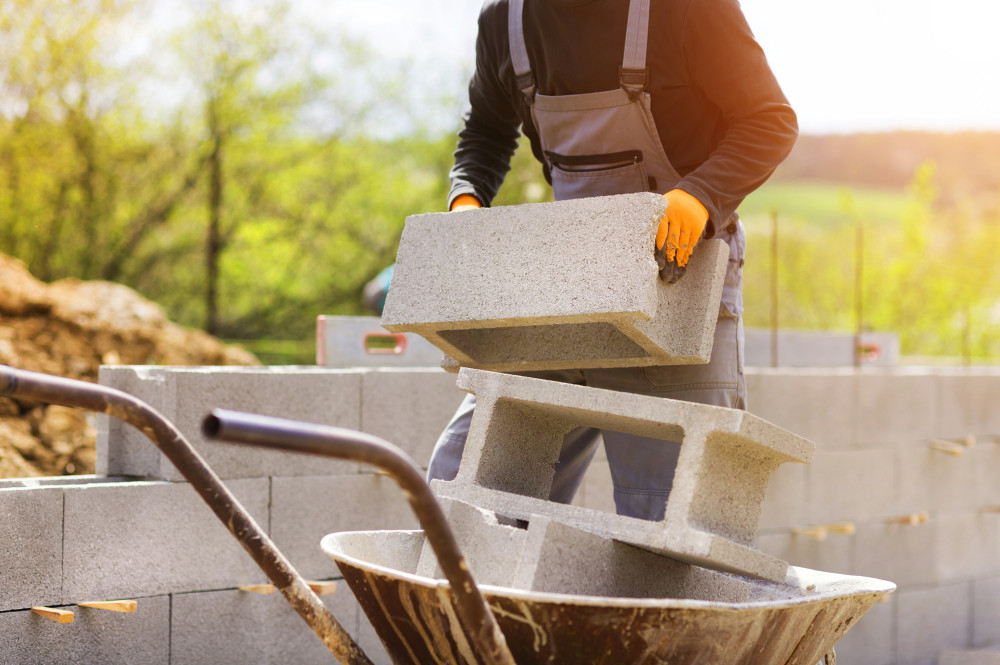
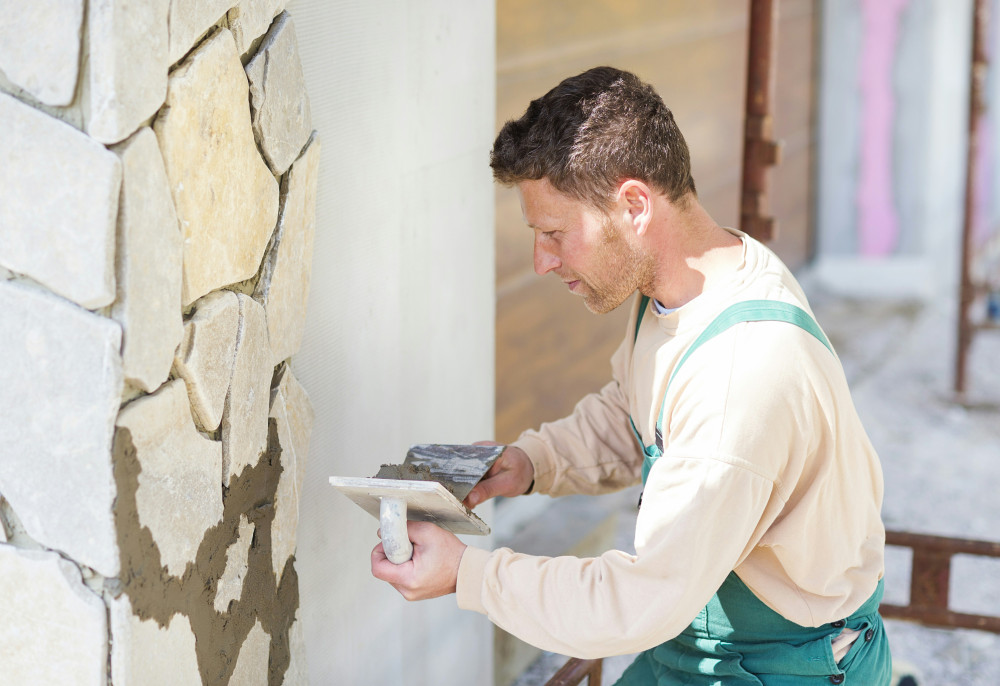
Masonry is one of the oldest and most reliable building techniques, used to create everything from sturdy walls to decorative patios. For homeowners who enjoy do-it-yourself projects, learning the basics of masonry can open the door to a wide range of improvements around the house. Whether you’re repairing a brick walkway, building a garden wall, or adding a stone veneer to your home’s exterior, understanding how to work with mortar and masonry materials is key to achieving lasting results.
What Is Mortar and When Do You Use It?
Mortar is the bonding material that holds bricks, stones, or concrete blocks together. It’s typically made from a mix of cement, sand, and water, and sometimes lime is added to make it more workable. The type of mortar you choose depends on the project and the materials you’re using.
- Type N mortar is a general-purpose mix suitable for above-grade walls and exterior veneers.
- Type S mortar is stronger and often used for structural walls, retaining walls, and foundations.
- Type O mortar is softer and ideal for repairing older masonry that needs flexibility.
- Thinset mortar is used for setting tile or stone on floors and walls.
Choosing the right mortar ensures that your project will be both durable and visually appealing. Using a mix that’s too hard for older brickwork, for example, can cause cracking, while a mix that’s too soft may not provide enough strength.
Læs også:
Preparation: The Foundation of a Good Result
Before you start, take time to prepare your materials and workspace. Make sure all surfaces are clean, solid, and free of dust, grease, or loose debris. If you’re repairing existing masonry, remove any crumbling mortar with a chisel or joint raker so the new mortar can bond properly.
When mixing mortar, follow the manufacturer’s instructions carefully. Use a clean bucket and a mixing paddle attached to a drill or a mortar mixer to achieve a smooth, even consistency. The mortar should be moist and workable—not too dry and not runny.
A good tip is to mix small batches at a time. Mortar begins to set within about 30 to 60 minutes, so it’s best to work with fresh material.
Step-by-Step Masonry Work
The process will vary depending on your project, but the basic steps are similar:
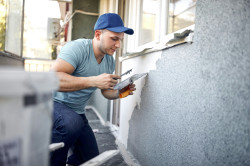
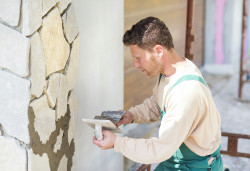
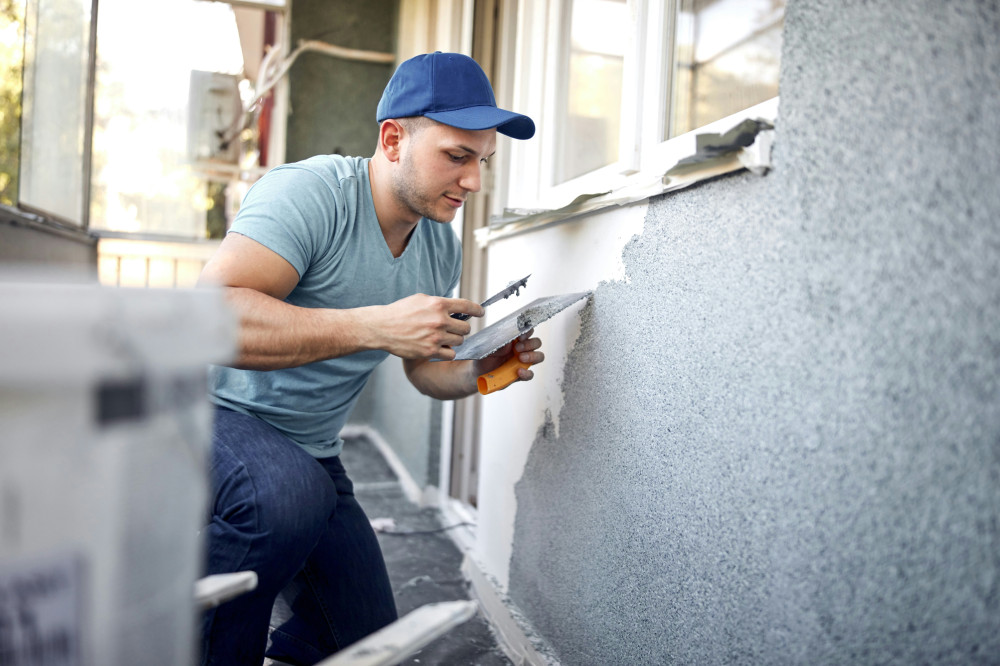
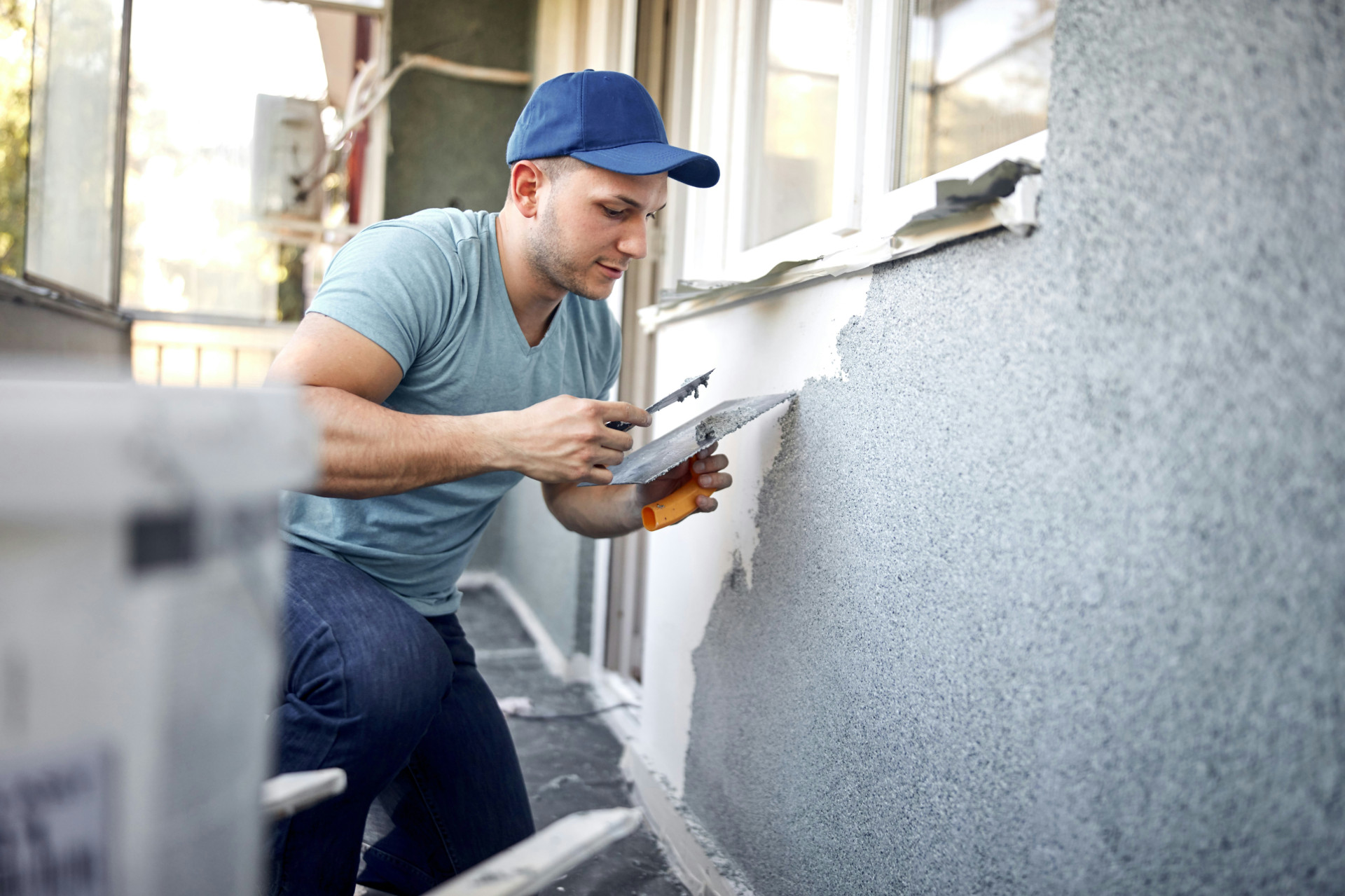
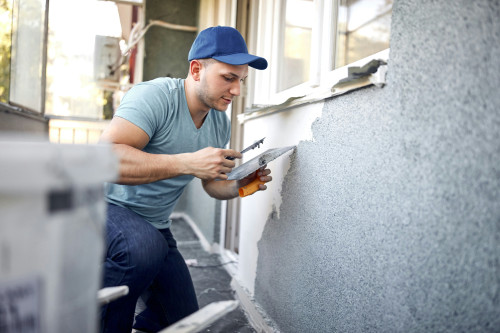
- Apply the mortar using a trowel or pointing tool. Press it firmly into joints or onto surfaces to eliminate air pockets.
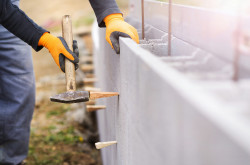
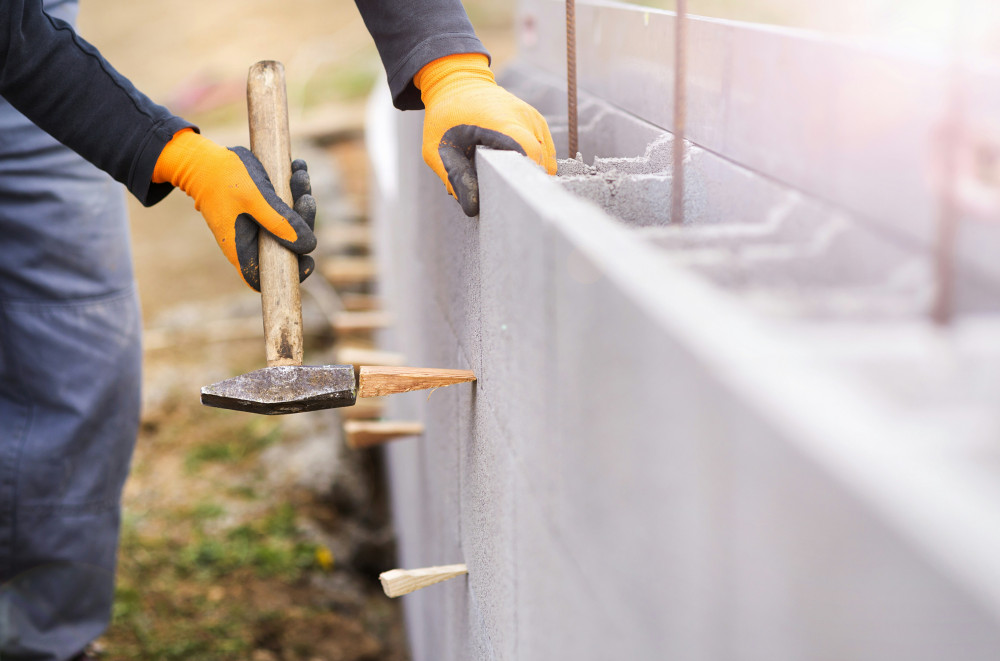
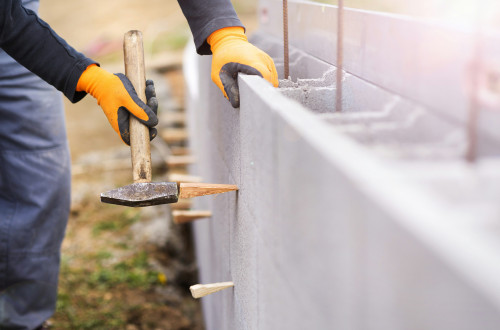
- Set the bricks or stones in place, tapping them gently with the handle of your trowel to level them.
- Remove excess mortar before it begins to harden, and smooth the joints for a clean finish.
- Cure the mortar properly. Mortar should not dry too quickly, as this can cause cracks. In hot or windy weather, lightly mist the surface or cover it with plastic to retain moisture.
For larger projects, such as building a wall or repairing a chimney, work in sections and allow each part to set before continuing.
Common DIY Masonry Projects
Masonry skills can be applied to many home improvement tasks. Some popular projects include:
- Repointing brick joints to restore strength and appearance to aging walls.
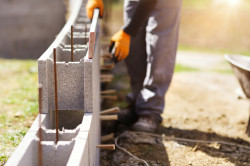
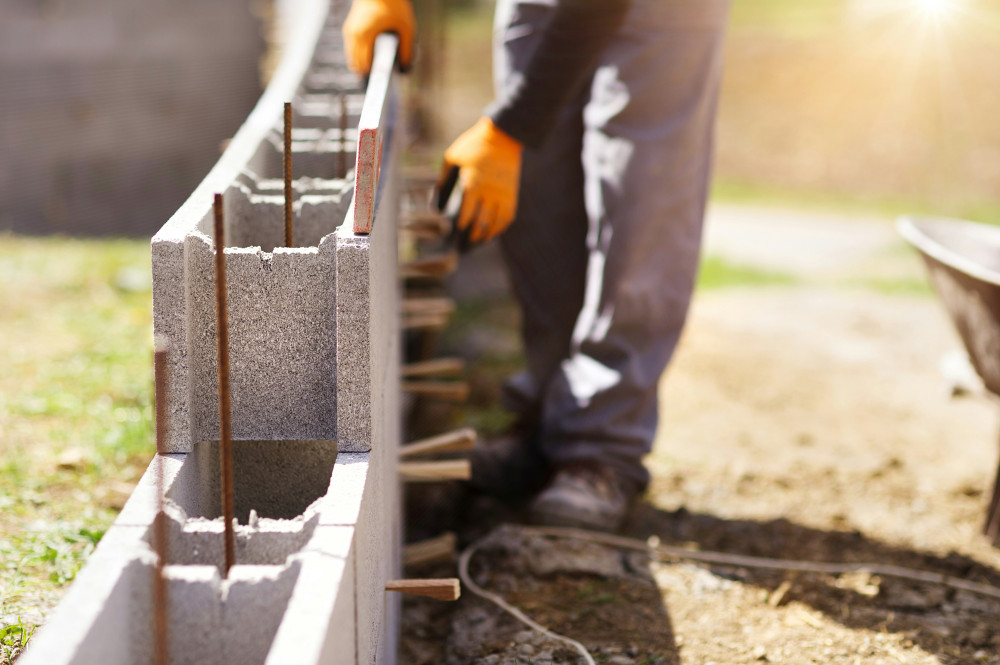
- Building a garden wall or raised flower bed for added structure and charm in your yard.
- Installing a stone or brick patio for outdoor living space.
- Constructing a fire pit or barbecue area for backyard gatherings.
- Repairing concrete steps or walkways to improve safety and curb appeal.
Each of these projects can be tackled by a careful DIYer with the right tools, materials, and patience.
Safety and Maintenance
Mortar and cement can irritate skin and eyes, so always wear gloves, safety glasses, and protective clothing. Avoid breathing in dust when mixing dry materials, and work in a well-ventilated area.
After your project is complete, inspect your masonry periodically. Weather, temperature changes, and settling can cause small cracks over time. Addressing these early will prevent more extensive repairs later. A quick annual checkup can help keep your masonry in top condition.
A Skill Worth Learning
Masonry work combines craftsmanship, patience, and creativity. It’s a skill that rewards attention to detail and offers visible, lasting results. Start with small repairs or decorative projects to build confidence, and as your experience grows, you’ll be ready to take on more ambitious tasks. With the right preparation and care, your DIY masonry projects can add both beauty and value to your home for years to come.
Læs også: