Discreetly Repair Older Brickwork with New Bricks

Blend new bricks seamlessly into old walls for a timeless, authentic look
Bricklayer
Bricklayer
4 min
Learn how to repair aged brickwork so that new bricks match the original structure in color, texture, and character. This guide walks you through selecting materials, mixing mortar, and finishing techniques to preserve the building’s historic charm.
Braxton Morris
Braxton
Morris

Discreetly Repair Older Brickwork with New Bricks

Blend new bricks seamlessly into old walls for a timeless, authentic look
Bricklayer
Bricklayer
4 min
Learn how to repair aged brickwork so that new bricks match the original structure in color, texture, and character. This guide walks you through selecting materials, mixing mortar, and finishing techniques to preserve the building’s historic charm.
Braxton Morris
Braxton
Morris

When repairing older brickwork, the challenge is often to make the new blend seamlessly with the old. Color, mortar, and texture all need to harmonize so the repair looks natural rather than patched. Achieving this requires patience, attention to detail, and an understanding of the building’s history. Here’s a guide to repairing older brickwork with new bricks—without leaving a visible mark.

Understand the Age and Character of the Brickwork

Before you start, take time to learn about the age and type of your brickwork. Brick size, color, and manufacturing methods have changed significantly over the decades. A wall built in the early 1900s, for example, will likely have smaller, hand-pressed bricks with irregular surfaces, while mid-century bricks tend to be more uniform. Mortar composition also varies: older buildings often used lime mortar, while modern ones use Portland cement.

Take note of:

  • Brick dimensions – measure height, length, and depth.
  • Color and surface texture – is it smooth, rough, glossy, or matte?
  • Mortar color and consistency – lime mortar is softer and lighter than cement mortar.

The better you understand the original materials, the easier it will be to find a suitable match.

Finding the Right Bricks

Matching new bricks to old ones can be tricky, but there are several good options available in the U.S. Many brick manufacturers still produce traditional sizes and colors, and some specialize in restoration materials.

Consider these sources:

  • Reclaimed bricks – available from architectural salvage yards or demolition sites, they already have the weathered look that fits older structures.
  • New bricks with aged finishes – some manufacturers offer “antique” or “tumbled” lines designed to mimic historic brick.
  • Custom staining or limewashing – you can tone down new bricks to better blend with existing ones.

Always bring a few sample bricks home and compare them to your wall in natural daylight. Even small color differences can stand out once installed.

Mortar – The Subtle Unifier

Even perfectly matched bricks can look out of place if the mortar doesn’t match. Mortar color and texture make up a large part of a wall’s overall appearance. Take time to mix a mortar that matches both in tone and composition.

  • Lime mortar is ideal for older masonry because it allows the wall to breathe and move naturally.
  • Cement mortar is harder and should only be used if the original wall was built with it.
  • Pigments can help fine-tune color, but always test on a small area first.

When repointing, match the depth and profile of the existing joints. This is often where the difference between old and new becomes most noticeable.

Work with Care

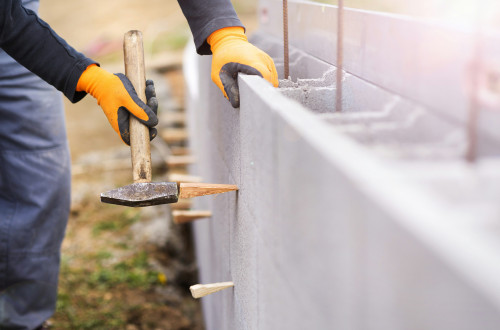
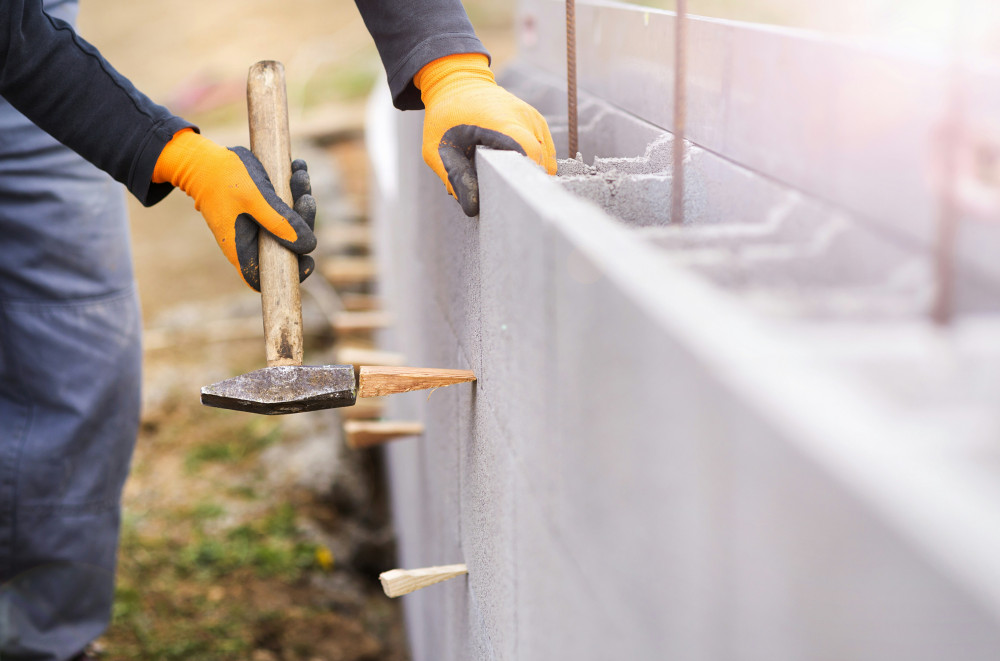
When removing damaged bricks, work slowly to avoid harming the surrounding ones. Use a cold chisel and hammer carefully, and clear out all old mortar so the new brick sits firmly in place.

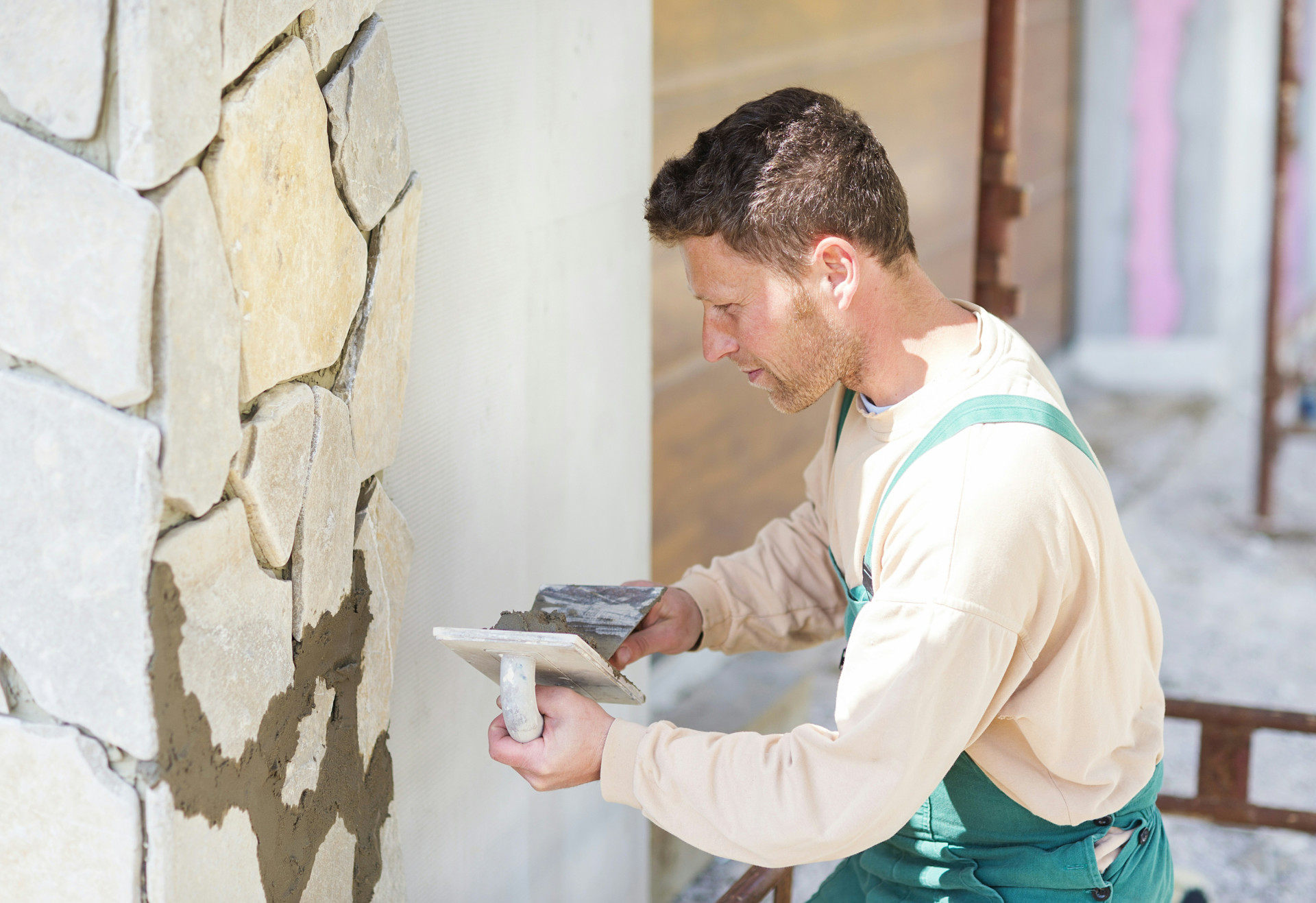
Set the new bricks with your prepared mortar, keeping them flush with the existing wall. Once the mortar begins to firm up, tool the joints to match the original profile. Working in small sections allows you to continually assess how well the repair blends in.

Finishing and Aging the Repair

Even with careful work, new bricks may initially look too fresh. Over time, weathering will help them blend, but you can gently accelerate the process.

  • Light limewashing can soften color contrasts.
  • A thin slurry of lime and water can create a more uniform appearance.
  • Avoid paint or sealants, as they can trap moisture and damage the wall.

The goal is for the repair to look natural—like part of the building’s story, not a new addition.

Preserve the Building’s Character

Repairing older brickwork isn’t just about fixing damage; it’s about honoring the craftsmanship and character of the original structure. A discreet repair preserves the building’s charm and ensures it remains strong and beautiful for years to come.

With the right materials, patience, and an eye for detail, you can achieve a result that’s both durable and nearly invisible.

Modern Architecture Meets Classic Sealing Methods
Where contemporary design embraces the enduring strength of traditional craftsmanship
Bricklayer
Bricklayer
Architecture
Design
Sustainability
Craftsmanship
Building Techniques
7 min
Discover how modern architects are blending sleek, minimalist structures with classic sealing and masonry methods. This revival of time-honored techniques not only enhances durability and sustainability but also brings a tactile authenticity to today’s architectural landscape.
Kennedy Wood
Kennedy
Wood
Openings in Masonry Through Time – From Function to Form and Aesthetics
Discover how openings in masonry have evolved from simple necessities to defining elements of architectural beauty
Bricklayer
Bricklayer
Masonry
Architecture
Building Design
Architectural History
Craftsmanship
4 min
Explore the fascinating journey of windows, doors, arches, and niches in masonry—from their defensive and functional origins to their role as expressions of light, proportion, and design. This article traces how craftsmanship, technology, and creativity have shaped the way we frame space through time.
Alaina Meyer
Alaina
Meyer
Combine Brick Types for a Unique and Personal Look
Express your style by mixing brick types, colors, and textures
Bricklayer
Bricklayer
Brick Design
Home Exterior
Architecture
Renovation
Personal Style
2 min
Discover how to give your home a distinctive and personal touch by combining different brick types. Learn how variations in color, pattern, and mortar can transform your exterior into a reflection of your taste and creativity.
Reid Peña
Reid
Peña
Masonry Work as Part of Your DIY Home Projects
Learn how to add strength and style to your home with simple masonry techniques
Bricklayer
Bricklayer
Masonry
DIY Projects
Home Improvement
Brickwork
Construction Skills
7 min
Discover how basic masonry skills can transform your DIY home projects. From repairing brick paths to building garden walls, this guide helps you understand materials, tools, and methods for durable and attractive results.
Zane Baker
Zane
Baker
Discreetly Repair Older Brickwork with New Bricks
Blend new bricks seamlessly into old walls for a timeless, authentic look
Bricklayer
Bricklayer
Brickwork
Restoration
Home Improvement
Masonry
Historic Buildings
4 min
Learn how to repair aged brickwork so that new bricks match the original structure in color, texture, and character. This guide walks you through selecting materials, mixing mortar, and finishing techniques to preserve the building’s historic charm.
Braxton Morris
Braxton
Morris
Find inspiration among different fruit bushes for your garden
Create a lush and colourful garden with berries and fruits all year round
Residence
Residence
Fruit bushes
Garden
Berries
Garden design
Inspiration
6 min
Fruit bushes add both flavour and beauty to the garden. Get inspiration for different varieties, their characteristics and uses, so you can create a lush and fruitful garden with berries and fruits all year round.
Kennedy Wood
Kennedy
Wood
Different types of parasols gathered in one place
Create shade and atmosphere in the garden with the right parasol
Residence
Residence
Parasols
Garden design
Outdoor living
Sun protection
Garden furniture
6 min
Parasols create both shade and cosiness in the garden. In this article, you get an overview of different types, materials and functions, so you can find the parasol that best suits your outdoor space.
Alaina Meyer
Alaina
Meyer
Different garden pots that can bring new life to the garden
Create atmosphere and personality in the garden with pots in different materials and styles
Residence
Residence
Garden pots
Garden design
Outdoor living
Inspiration
Plants
4 min
Give the garden a fresh touch with beautiful garden pots in various materials and designs. The article provides an overview of types and uses so you can find the pots that best suit your style and plants.
Reid Peña
Reid
Peña