How to Extend the Lifespan of Your Epoxy Floor

How to Extend the Lifespan of Your Epoxy Floor
Epoxy floors are prized for their strength, durability, and sleek, glossy finish. They’re a popular choice in American homes, garages, workshops, and commercial spaces because they resist wear, chemicals, and moisture better than many other flooring types. But even the toughest floor needs care to stay beautiful and functional for years to come. Here’s a guide to keeping your epoxy floor in top condition—from daily cleaning to long-term maintenance.
Keep It Clean Every Day
Even though epoxy is tough, dirt, sand, and small stones can act like sandpaper underfoot, gradually dulling the surface.
- Sweep or vacuum regularly—ideally every day in high-traffic areas.
- Use a soft mop or microfiber pad to remove dust and debris without scratching.
- Avoid harsh brushes or abrasive cleaners, which can damage the finish.
For routine cleaning, use a mild, pH-neutral soap mixed with warm water. Stay away from products containing ammonia or strong solvents, as they can break down the epoxy over time.
Protect Against Scratches and Wear
While epoxy floors are resilient, heavy objects and sharp edges can still leave marks—especially in garages, workshops, or kitchens where equipment and furniture are often moved.
- Add felt pads or rubber feet under furniture and machinery.
- Place mats or rubber runners near entryways to catch grit and moisture.
- Lift heavy items instead of dragging them across the floor.
If your epoxy floor is in a commercial or industrial setting, consider using protective mats in high-traffic zones or under workstations to reduce wear.
Clean Spills Promptly
Epoxy floors resist many chemicals, but not all. Acids, solvents, and oils can stain or etch the surface if left too long.
- Wipe up spills immediately—especially oil, gasoline, brake fluid, or cleaning agents.
- Use a damp cloth and mild soap to remove residue.
- For stubborn stains, try a mix of water and vinegar, but always test it on a small, hidden area first.
The faster you act, the less likely a spill will leave a permanent mark.
Guard Against Sunlight and Temperature Extremes
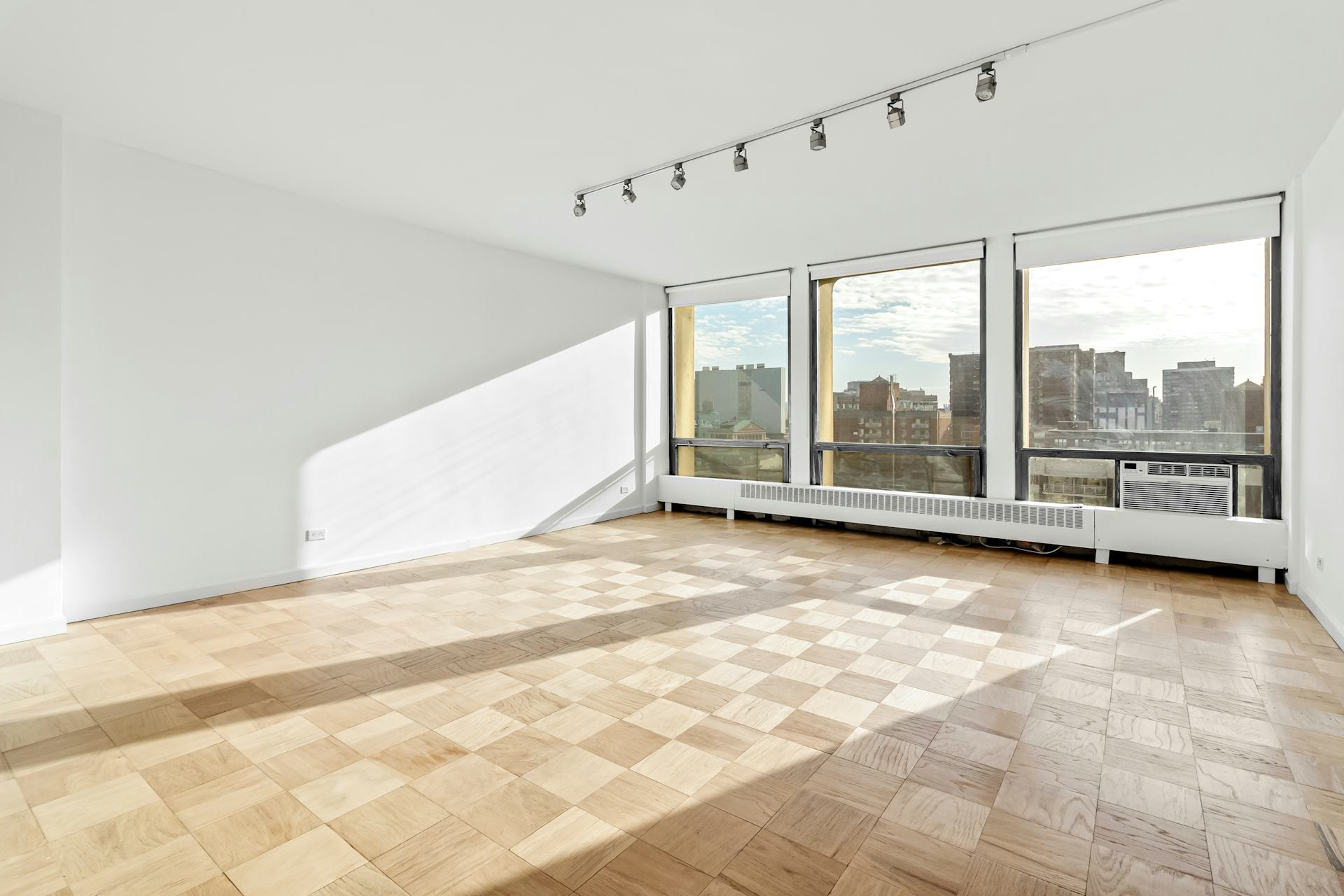
Over time, epoxy can yellow or lose its shine if exposed to too much direct sunlight. This is especially true for light-colored floors in rooms with large windows.
- Use blinds, curtains, or UV window film to reduce sun exposure.
- Maintain a stable temperature, particularly in garages or basements where fluctuations can affect the epoxy’s structure.
In colder climates, avoid using rock salt to melt ice in your garage—it can seep into the surface and cause damage. Opt for sand or kitty litter instead for traction.
Refresh the Surface with a Topcoat
Even a well-maintained epoxy floor will eventually lose some of its luster. Fortunately, you can restore its shine and extend its life by applying a new topcoat.
- Clean the floor thoroughly to remove dust, grease, and debris.
- Lightly sand the surface with fine-grit sandpaper to help the new layer adhere.
- Apply a clear epoxy or polyurethane topcoat to bring back the gloss and add protection.
Depending on usage, a fresh topcoat every 5–10 years can make your floor look nearly new again and significantly extend its lifespan.
Læs også:

Prevention Is the Best Maintenance
Keeping your epoxy floor looking great doesn’t take much—just consistency. Simple habits like sweeping daily, wiping up spills right away, and protecting against scratches go a long way.
A well-cared-for epoxy floor can last for decades while maintaining its polished, professional appearance. It’s an investment that pays off in both beauty and durability.
Læs også: