Floor Care as an Integral Part of Home Maintenance

Floor Care as an Integral Part of Home Maintenance
A clean, well-maintained floor is more than just a visual asset—it’s a key part of keeping your home in good condition. Floors endure daily wear from foot traffic, dirt, and moisture, and without proper care, they can quickly lose both their beauty and durability. Whether your home features hardwood, tile, vinyl, or carpet, regular floor care helps extend the life of your flooring and maintain your property’s value. Here’s how to make floor care a natural part of your home maintenance routine.
Know Your Floor and Its Needs
The first step in proper floor care is understanding the material you’re working with. Each flooring type has its own maintenance requirements and cleaning methods.
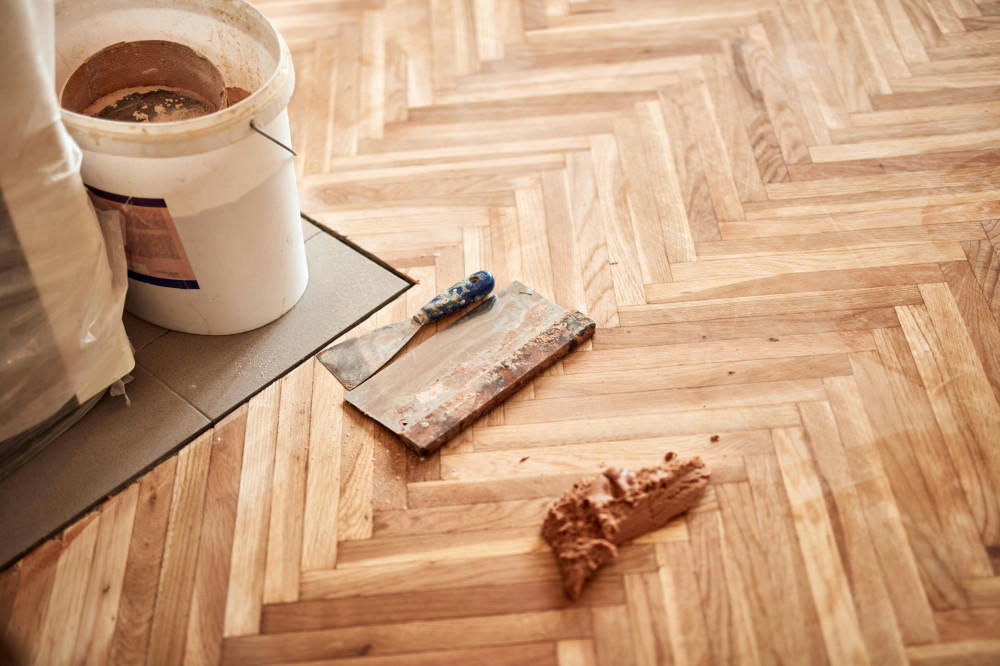
- Hardwood floors need gentle cleaning and periodic treatment with oil, wax, or polyurethane, depending on the finish. Avoid excess water, as it can cause warping—use a damp, well-wrung mop instead.
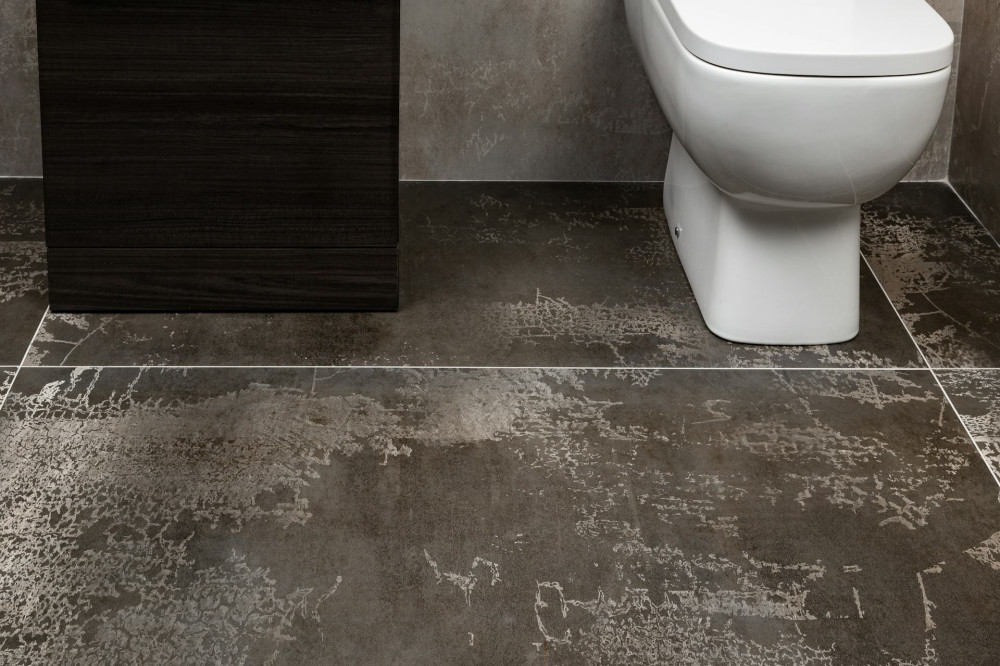
- Tile floors are durable, but grout lines can trap dirt. Use a mild cleaner and avoid acidic products that can damage the surface.
- Vinyl and laminate floors are easy to maintain but should be cleaned with non-abrasive, pH-neutral products. A damp mop and a gentle cleaner are usually sufficient.
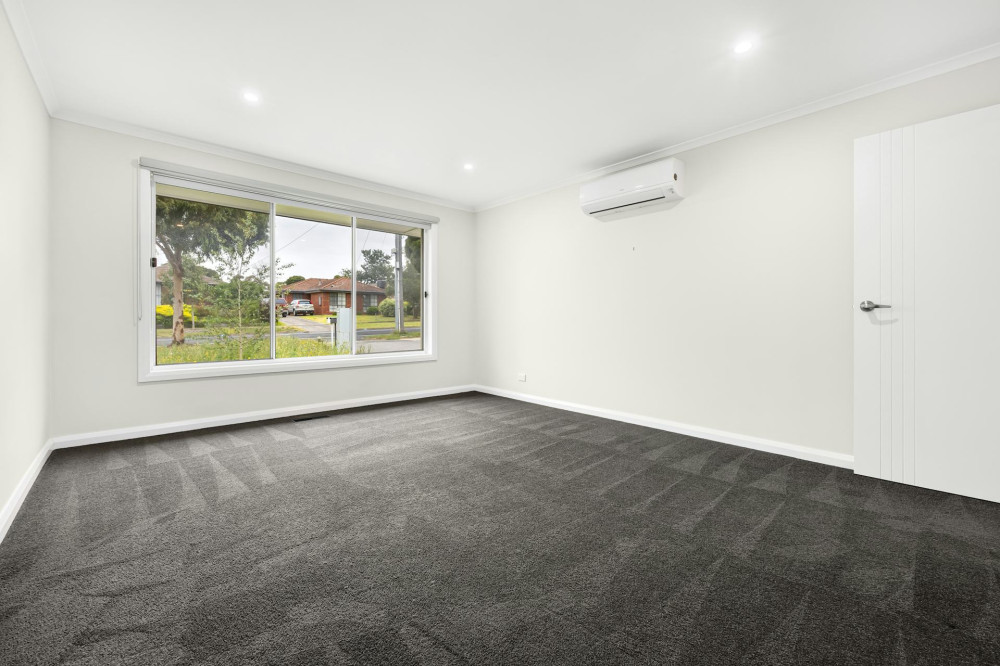
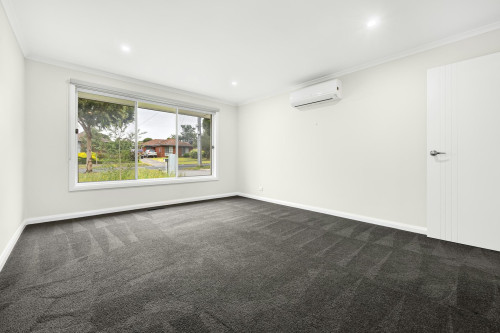
- Carpeted floors require regular vacuuming and occasional deep cleaning to remove dust, allergens, and stains.
By tailoring your cleaning routine to your specific flooring type, you’ll prevent unnecessary wear and keep your floors looking their best.
Cleaning as Prevention
Routine cleaning is the most effective way to prevent damage. Small particles like sand and grit act like sandpaper when ground into the floor, causing scratches and dullness. Placing sturdy doormats at entrances and vacuuming frequently can make a big difference.
Always start with dry cleaning methods—such as sweeping or vacuuming—before using water or cleaning solutions. This prevents dirt from being rubbed into the surface. And remember to use products designed for your particular flooring material to avoid long-term damage.
Long-Term Maintenance
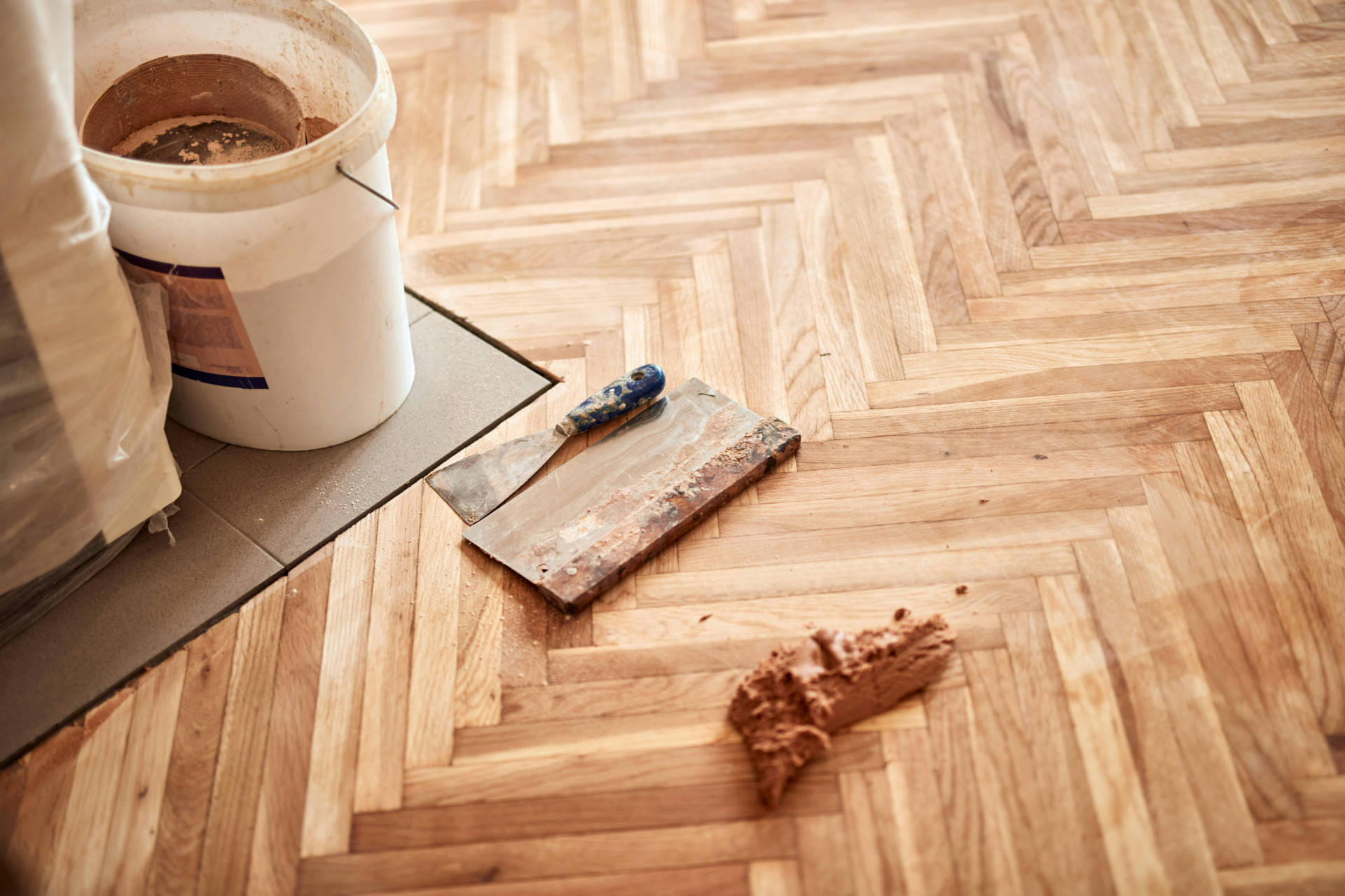
Even with regular cleaning, floors will eventually need deeper maintenance. Hardwood may require refinishing or re-oiling, while tile floors might need regrouting. It’s a good idea to include these larger maintenance tasks in your annual home care schedule—alongside chores like painting, roof inspections, and window cleaning.
A well-maintained floor is easier to clean, more resistant to daily wear, and adds to the overall comfort of your home. Over time, consistent care can save you money by preventing costly repairs or replacements.
Small Habits, Big Impact
Floor care isn’t just about cleaning—it’s also about everyday habits. Here are a few simple practices that can help preserve your floors:
- Use felt pads under furniture legs to prevent scratches.
- Avoid wearing hard-soled shoes or high heels indoors.
- Place area rugs in high-traffic zones like entryways and hallways.
- Wipe up spills immediately, especially on wood floors.
- Maintain proper humidity levels to prevent wood from expanding or shrinking.
These small actions require little effort but can significantly extend the life and appearance of your floors.
Læs også:

Floor Care as Part of the Whole
When people think about home maintenance, they often focus on walls, roofs, or plumbing. But the floor is the surface you use the most—it connects every room and sets the tone for your home’s atmosphere. A well-cared-for floor not only enhances your home’s appearance but also contributes to a healthier indoor environment.
By making floor care a regular part of your home maintenance routine, you’re investing in both comfort and long-term value. A clean, well-kept floor doesn’t just look good—it makes your home a more pleasant place to live.
Læs også: