Ornamental plants that give the garden character and colour play


Ornamental plants that give the garden character and colour play
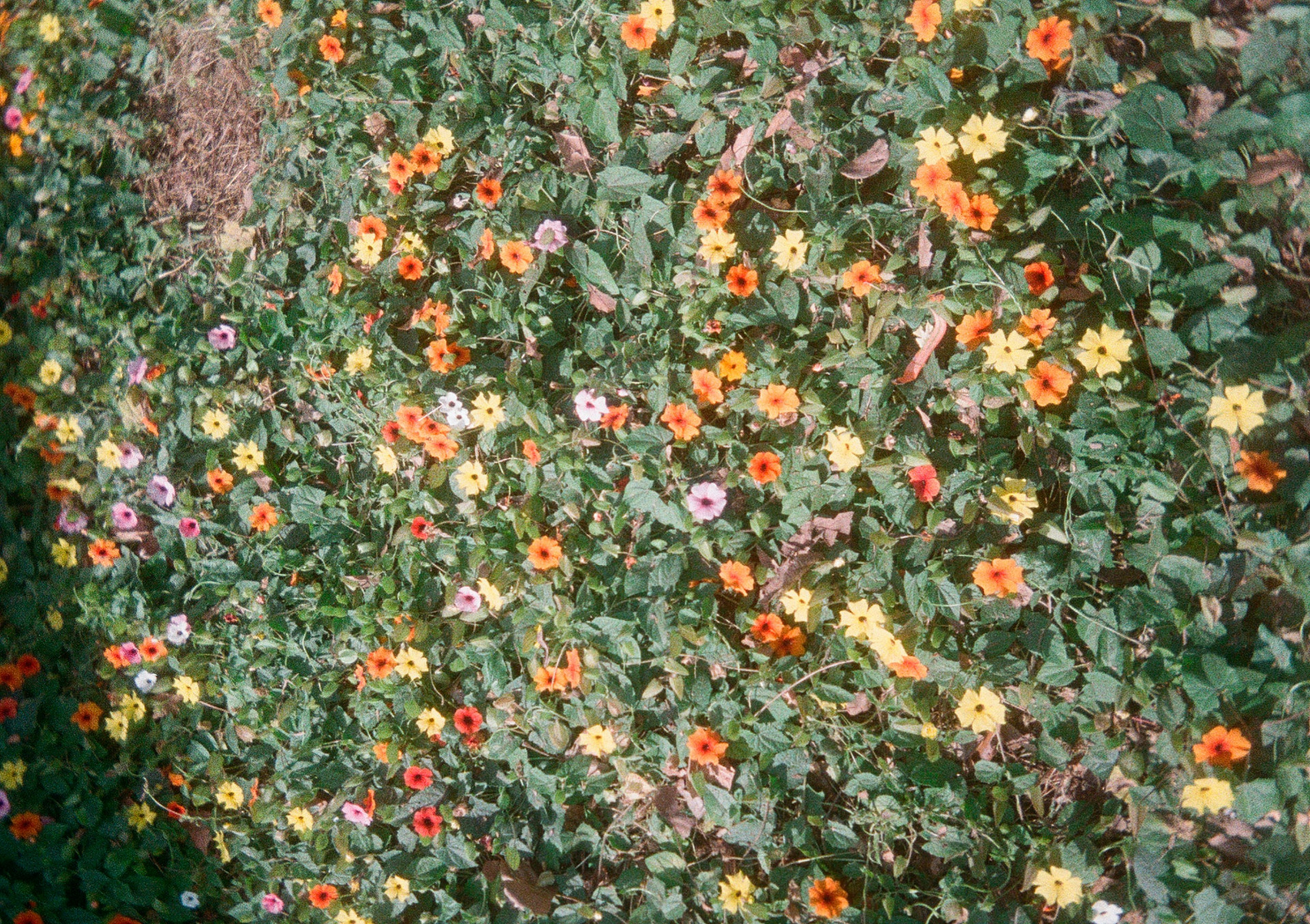
Ornamental shrubs are a simple and effective way to add both shape, colour and life to the garden. They can be used as solitary plants, hedges or as part of a larger bed, and they come in a multitude of varieties with flowers, berries or decorative foliage. Whether you want a romantic expression, a modern touch or a lush, natural garden, you can find ornamental shrubs that suit your style and growing conditions.
In this article, you will get an overview of different types of ornamental shrubs and their characteristics, so that you can get an impression of the many possibilities for creating a lively and varied garden environment.
The article presents a selection of ornamental shrubs that represent different expressions, sizes and functions in the garden. The purpose is to provide a broad overview of shrubs that can contribute with colour, structure and seasonal variation. The information about the plants is based on descriptions from producers and retailers and is summarised to provide an informative and inspiring insight into the many possibilities that exist.
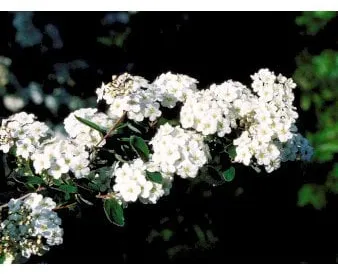
Bridal wreath spirea (Spiraea x vanhouttei) is a medium to large shrub with an upright to spreading growth habit and many thin branches, giving the plant a light and elegant appearance. It usually grows to around 1.5–2 metres tall and 0.9–1.2 metres wide.
In May, the shrub is covered with a wealth of small, white flowers that sit closely together in rounded clusters along the young branches. The flowers have a light fragrance and create a striking, bright expression in the garden. After flowering, small, dry seed capsules develop, which remain in clusters.
The foliage consists of small, lobed green leaves with serrated edges. In autumn, the leaves turn golden to orange shades, giving the shrub decorative value throughout the season.
The plant thrives best in sun to partial shade and in well-drained soil. It is fully hardy and tolerates pruning, making it suitable both as a free-standing shrub, in groups or as a clipped hedge. When planting, watering and possible soil improvement are recommended to ensure good establishment.
- Abundant flowering: Covered in May with many small, white flowers in dense clusters.
- Decorative foliage: Green leaves with beautiful golden to orange autumn colours.
- Versatile use: Suitable as a hedge, in groups or as a solitary plant.
- Hardy and easy: Thrives in most soil types and requires only limited care.
- Growth habit: Upright and well-branched with many thin branches.
Pros and cons
- Abundant flowering and decorative throughout the season
- Tolerates pruning and can be shaped as a hedge
- Hardy and easy to grow
- Beautiful autumn colours
- Untrimmed hedges can become wide and require space
- Thrives less well in waterlogged soil
- Requires watering during the establishment phase
Pros and cons
Pros
- Abundant flowering and decorative throughout the season
- Tolerates pruning and can be shaped as a hedge
- Hardy and easy to grow
- Beautiful autumn colours
Cons
- Untrimmed hedges can become wide and require space
- Thrives less well in waterlogged soil
- Requires watering during the establishment phase
Pros
- Abundant flowering and decorative throughout the season
- Tolerates pruning and can be shaped as a hedge
- Hardy and easy to grow
- Beautiful autumn colours
Cons
- Untrimmed hedges can become wide and require space
- Thrives less well in waterlogged soil
- Requires watering during the establishment phase
Specifications
- Botanical name: Spiraea x vanhouttei
- Type: Deciduous ornamental shrub
- Height: approx. 150–200 cm
- Width: approx. 90–120 cm
- Flowering: May–June
- Flower colour: White
- Leaf colour: Green, with golden to orange autumn colours
- Growth habit: Upright and well-branched
- Light conditions: Full sun to partial shade
- Hardiness: Fully hardy
- Use: Hedge, groups, free-standing shrub
- Plant spacing as hedge: approx. 3 plants per linear metre
- Soil type: Most well-drained soil types
- Fertilisation level: Medium

The star magnolia (Magnolia stellata) is a slow-growing shrub or small tree with a broad, rounded and often multi-stemmed growth form. It typically reaches 2–3 metres in height and about the same in width.
In March and April, the plant is covered with many white, lightly scented flowers with star-shaped petals, which appear before the leaves emerge. After flowering, large, matte green leaves develop, giving a fresh appearance throughout the summer.
In autumn, the leaves turn light yellow before falling off. The plant thrives best in sheltered locations and in deep, humus-rich but well-drained soil. It tolerates both sun and partial shade but should not be too exposed to wind.
The star magnolia is often used as a specimen plant or as part of an ornamental shrub planting, where it contributes early flowering and a harmonious appearance throughout the growing season.
- Early flowering: White, star-shaped flowers in March–April before leaf emergence.
- Decorative growth form: Broad, rounded and often multi-stemmed shrub or small tree.
- Summer and autumn interest: Matte green leaves in summer and light yellow autumn colours.
- Placement: Thrives best in shelter, in sun or partial shade, in well-drained and nutrient-rich soil.
- Suitable use: Ideal as a specimen plant or in ornamental shrub borders in gardens and parks.
Pros and cons
- Early and striking flowering
- Lightly scented flowers
- Decorative throughout the growing season
- Suitable for smaller gardens and parks
- Should be planted in shelter to avoid damage from wind and frost
- Slow-growing and requires patience before reaching full size
Pros and cons
Pros
- Early and striking flowering
- Lightly scented flowers
- Decorative throughout the growing season
- Suitable for smaller gardens and parks
Cons
- Should be planted in shelter to avoid damage from wind and frost
- Slow-growing and requires patience before reaching full size
Pros
- Early and striking flowering
- Lightly scented flowers
- Decorative throughout the growing season
- Suitable for smaller gardens and parks
Cons
- Should be planted in shelter to avoid damage from wind and frost
- Slow-growing and requires patience before reaching full size
Specifications
- Botanical name: Magnolia stellata
- Type: Ornamental shrub / small tree
- Height: 200–300 cm
- Width: 200–300 cm
- Flowering: March–April
- Flower colour: White
- Leaf colour: Green, light yellow in autumn
- Flower size: 10–12 cm
- Fragrance: Yes
- Growth form: Upright, broad and rounded
- Growth rate: Moderately growing
- Placement: Sun / partial shade
- Soil type: Deep, humus-rich and well-drained
- Hardiness: Fully hardy
- Use: Gardens and parks
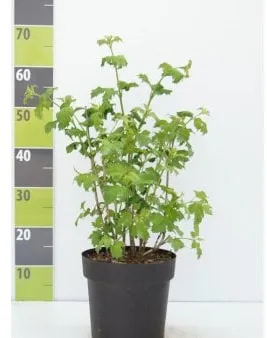
The Snowball Tree, botanically known as Viburnum opulus 'Roseum', is a broad and stiff-branched shrub with arching branches. It usually grows 2–3 metres tall and about as wide, giving it a distinctive and rounded shape in the garden.
The shrub is especially known for its large, spherical flower clusters consisting of white, sterile flowers. Flowering takes place from May to June and gives a striking, almost snowball-like appearance that has given the plant its common name.
The Snowball Tree thrives best in ordinary garden soil and does well in both full sun and partial shade. It is fully hardy and requires only limited maintenance, making it suitable for both private gardens and larger landscapes.
After flowering, the plant develops red fruits, and the foliage takes on a bronze tone in autumn. It can be used as a specimen plant, in groups, or as part of a shrub border, where it contributes structure and seasonal variation.
- Decorative flowering: Large, spherical white flower clusters from May to June.
- Robust growth: Fully hardy and thrives in ordinary garden soil.
- Flexible placement: Suitable for both sun and partial shade.
- Seasonal variation: Red fruits and bronze autumn foliage provide colour changes throughout the year.
- Versatility: Suitable as a specimen plant, in groups, or shrub borders.
Pros and cons
- Beautiful and striking flowering early in summer
- Hardy and easy to grow in ordinary garden soil
- Tolerates both sun and partial shade
- Provides colour and structure through several seasons
- Requires space due to its broad growth habit
- The sterile flowers do not produce edible berries
Pros and cons
Pros
- Beautiful and striking flowering early in summer
- Hardy and easy to grow in ordinary garden soil
- Tolerates both sun and partial shade
- Provides colour and structure through several seasons
Cons
- Requires space due to its broad growth habit
- The sterile flowers do not produce edible berries
Pros
- Beautiful and striking flowering early in summer
- Hardy and easy to grow in ordinary garden soil
- Tolerates both sun and partial shade
- Provides colour and structure through several seasons
Cons
- Requires space due to its broad growth habit
- The sterile flowers do not produce edible berries
Specifications
- Botanical name: Viburnum opulus 'Roseum'
- Common name: Snowball Tree
- Plant category: Ornamental shrubs
- Height: 200–300 cm
- Width: 200–300 cm
- Flowering: May–June
- Flower colour: White
- Leaf colour: Green to dark green, bronze autumn foliage
- Fruit colour: Red
- Growth habit: Arching, broad and stiff-branched
- Light conditions: Full sun or partial shade
- Soil type: Ordinary garden soil
- Fragrance: Yes
- Hardiness: Fully hardy
- Use: Specimen, groups, shrub borders, gardens and parks
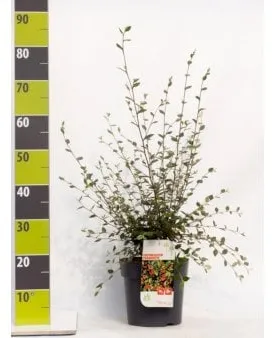
Grey Cotoneaster (Cotoneaster franchetti) is a larger, densely branched shrub with arching branches that give a natural and light expression in the garden. Over time, it develops into an inverted pyramid shape when given space to grow freely.
The leaves are oval, 4–5 cm long and have a characteristic grey-felted underside that gives the plant a silvery-green hue. In autumn, the foliage takes on beautiful colours, and in sheltered locations many leaves may remain through the winter.
In June, the shrub is covered with many small pink flowers that attract bees and other pollinators. Later in the season, small dark red berries form, which remain well into winter and serve as food for birds.
The plant thrives best in nutrient-rich, well-drained soil and tolerates both sun and shade. It is very hardy and suitable for solitary planting, hedges and shelterbelts, even in more exposed locations.
- Decorative shrub: Combines flowers, berries and foliage colours throughout the season.
- Pollinator-friendly: The many small flowers attract bees and insects.
- Bird-friendly: The red berries provide food for birds in the winter months.
- Hardy and undemanding: Thrives in most soil types and tolerates both sun and shade.
- Suitable for hedges and solitary planting: Can be used both as an ornamental shrub and as part of a living fence.
Pros and cons
- Robust and easy-to-grow shrub
- Beautiful autumn colours and winter berries
- Attracts bees and birds
- Can be used as a hedge or solitary plant
- Thrives in both sun and shade
- Requires well-drained soil for optimal growth
- Can become wide and need space at full growth
Pros and cons
Pros
- Robust and easy-to-grow shrub
- Beautiful autumn colours and winter berries
- Attracts bees and birds
- Can be used as a hedge or solitary plant
- Thrives in both sun and shade
Cons
- Requires well-drained soil for optimal growth
- Can become wide and need space at full growth
Pros
- Robust and easy-to-grow shrub
- Beautiful autumn colours and winter berries
- Attracts bees and birds
- Can be used as a hedge or solitary plant
- Thrives in both sun and shade
Cons
- Requires well-drained soil for optimal growth
- Can become wide and need space at full growth
Specifications
- Botanical name: Cotoneaster franchetti
- Plant type: Ornamental shrub
- Category: Cotoneaster
- Main category: Ornamental shrubs
- Growth form: Larger shrub with well-branched and arching growth
- Leaf colour: Green with grey-felted underside
- Flower colour: Pink
- Flowering period: Spring (June)
- Fruit: Small dark red berries with long durability
- Light conditions: Full sun or shade
- Soil type: Nutrient-rich and well-drained garden soil
- Hardiness: Very hardy
- Use: Hedge, shelterbelt or solitary shrub

Dwarf Blood Plum (Prunus x cistena) is a slow-growing shrub that usually reaches around 2 metres in height and width. It has a dense and upright growth habit, making it suitable both as a solitary plant and in groups in beds.
The foliage is dark purple-red to bronze-coloured and provides a striking contrast in the garden throughout the growing season. In May, the shrub blooms with pale pink flowers, which later turn white and add a light and elegant expression.
The plant thrives best in full sun or partial shade and prefers nutrient-rich, well-drained soil. It is fully hardy under Norwegian conditions and requires only limited maintenance.
Dwarf Blood Plum is often used as a contrast plant in perennial and shrub beds, where its dark foliage highlights the colours of the surrounding plants.
- Decorative foliage: Dark purple-red to bronze-coloured throughout the season.
- Flowering in May: Pale pink flowers that later turn white.
- Compact growth: Upright and slow-growing form, ideal for small gardens.
- Light conditions: Thrives in full sun to partial shade.
- Hardiness: Fully hardy and easy to grow in well-drained soil.
Pros and cons
- Colourful foliage that provides contrast in the garden
- Suitable for small gardens and beds
- Easy to grow and requires minimal care
- Tolerates both sun and partial shade
- Fully hardy under Norwegian conditions
- The flowering period is short and mainly in spring
- The colour of the foliage may become less intense in shady conditions
Pros and cons
Pros
- Colourful foliage that provides contrast in the garden
- Suitable for small gardens and beds
- Easy to grow and requires minimal care
- Tolerates both sun and partial shade
- Fully hardy under Norwegian conditions
Cons
- The flowering period is short and mainly in spring
- The colour of the foliage may become less intense in shady conditions
Pros
- Colourful foliage that provides contrast in the garden
- Suitable for small gardens and beds
- Easy to grow and requires minimal care
- Tolerates both sun and partial shade
- Fully hardy under Norwegian conditions
Cons
- The flowering period is short and mainly in spring
- The colour of the foliage may become less intense in shady conditions
Specifications
- Botanical name: Prunus x cistena
- Category: Ornamental shrubs / Blood plum
- Growth form: Upright, slow-growing
- Height: 80–150 cm (up to approx. 2 m)
- Width: 60–90 cm
- Leaf colour: Red to purple-red, bronze-coloured autumn foliage
- Leaf shape: Lanceolate
- Flower colour: Pale pink, later white
- Flowering time: May
- Fruit colour: Red
- Light conditions: Full sun, partial shade
- Soil type: Nutrient-rich, well-drained soil
- Hardiness: Fully hardy
- Fertilisation level: Moderate
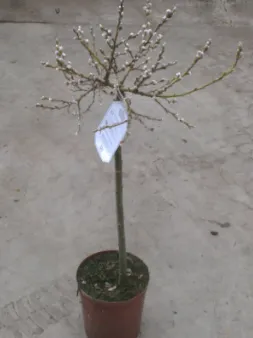
Dwarf Willow (Salix helvetica) is a compact ornamental shrub with a small, rounded and broad-growing crown. It is grafted onto a stem at its final height, giving it a distinctive appearance in plantings.
The young leaves and shoots are white-felted, giving the plant a silvery-grey hue early in the season. Later, the leaves develop a more grey-green tone, creating a calm contrast to the surroundings.
The plant thrives best in full sun or light partial shade and prefers moist but well-drained soil. It does not tolerate prolonged drying out but is otherwise fully hardy under Norwegian conditions.
Dwarf Willow is particularly suitable as a ground-covering plant in gardens and parks, where it can form a low, dense plant cover. It can also be used as a decorative solitary plant in smaller beds or pots.
- Compact growth form: Small, rounded and broad-growing crown that gives a dense appearance.
- Decorative foliage: White-felted young leaves that later turn grey-green.
- Suitable as ground cover: Forms a low and dense plant cover in sunny areas.
- Hardy plant: Tolerates Norwegian climatic conditions and requires minimal care.
- Thrives in moist soil: Prefers moist but not waterlogged soil.
Pros and cons
- Low and compact growth requiring minimal pruning
- Decorative colour variation throughout the season
- Suitable for ground cover and border planting
- Fully hardy and robust in Nordic climates
- Does not thrive in dry soil and requires consistent moisture
- Growth is moderate, so covering larger areas takes time
Pros and cons
Pros
- Low and compact growth requiring minimal pruning
- Decorative colour variation throughout the season
- Suitable for ground cover and border planting
- Fully hardy and robust in Nordic climates
Cons
- Does not thrive in dry soil and requires consistent moisture
- Growth is moderate, so covering larger areas takes time
Pros
- Low and compact growth requiring minimal pruning
- Decorative colour variation throughout the season
- Suitable for ground cover and border planting
- Fully hardy and robust in Nordic climates
Cons
- Does not thrive in dry soil and requires consistent moisture
- Growth is moderate, so covering larger areas takes time
Specifications
- Botanical name: Salix helvetica
- Norwegian name: Dwarf Willow
- Category: Ornamental shrubs
- Subcategory: Willow
- Height: 50–100 cm
- Width: 90–120 cm
- Flowering period: April–May
- Flower colour: Orange-red to orange
- Leaf colour: Grey to grey-green
- Leaf shape: Elliptical
- Light conditions: Full sun or partial shade
- Growth form: Ground-covering, medium-growing
- Hardiness: Fully hardy
- Fertilisation needs: Light
- Use: Gardens and parks, ground cover
Læs også: