Keep Pests Out of Your Basement and Attic with Dry, Tidy Conditions

Keep Pests Out of Your Basement and Attic with Dry, Tidy Conditions
Basements and attics are often the places where we store things we rarely use—and that’s exactly why they can become attractive hiding spots for pests. Mice, rats, silverfish, and termites thrive in dark, damp, and cluttered environments where they can find shelter and food. Fortunately, with a few simple habits and some preventive measures, you can keep unwanted guests out. Here are some practical tips for creating dry, organized spaces that make your basement and attic less inviting to pests.
Control Moisture
Moisture is one of the main reasons pests move indoors. Many insects and rodents thrive in damp environments where they can find both water and shelter. That’s why it’s important to maintain a dry indoor climate—especially in the basement.
- Use a dehumidifier during humid months or if you notice condensation on walls or floors.
- Ensure proper ventilation—open vents and use fans to keep air circulating.
- Check for leaks in pipes, drains, and the foundation. Even small leaks can create ideal conditions for pests.
- Insulate pipes and walls to prevent condensation that can lead to long-term moisture problems.
A dry environment not only makes it harder for pests to survive—it also protects your belongings from mold and mildew.
Declutter and Organize Storage
Clutter and piles of boxes, clothes, and old furniture give pests plenty of places to hide. A tidy basement or organized attic makes it easier to spot problems early.
- Use sealed plastic bins instead of cardboard boxes, which can absorb moisture and be chewed through.
- Keep the floor clear so you can vacuum and inspect regularly.
- Donate or discard items you no longer use—the less clutter, the fewer hiding spots.
- Avoid storing food in the basement unless it’s in airtight containers.
When your storage is organized, it’s easier to notice signs of pest activity such as droppings, gnaw marks, or shredded materials.
Seal Entry Points
Even small cracks and gaps can be enough for mice or insects to get inside. A key part of prevention is making sure your basement and attic are well sealed.
- Inspect walls, windows, and doors for cracks or gaps.
- Install screens over vents and drains to allow airflow but block pests.
- Seal around pipes and wiring with steel wool or caulk—mice can chew through many materials, but not metal.
- Keep doors and windows closed, especially during colder months when pests seek warmth.
A well-sealed home not only keeps pests out but also improves energy efficiency.
Læs også:



Watch for Signs of Activity
Even with good prevention, pests can sometimes find a way in. It’s important to act quickly if you notice signs of activity.
Common indicators include:
- Small droppings or gnaw marks.
- Scratching or rustling sounds, especially at night.
- Holes in packaging, cardboard, or fabric.
- Sawdust or fine debris under wooden structures, which may indicate termites or wood-boring insects.
The sooner you detect a problem, the easier it is to eliminate it and prevent further damage.
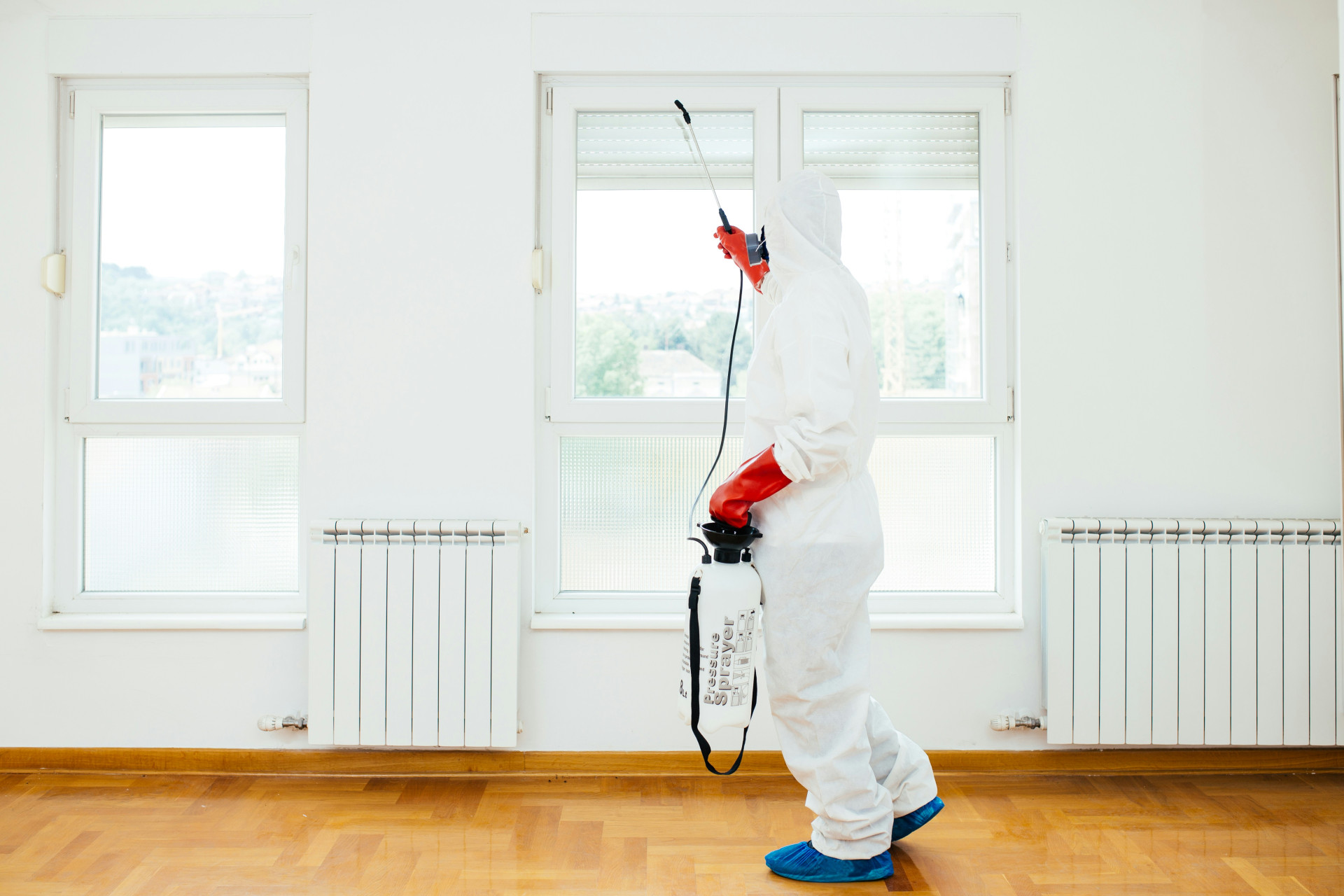
Call a Professional if Needed
If you suspect a larger infestation or repeatedly notice signs of pests, it may be time to contact a licensed pest control professional. They can identify the species, locate the source, and recommend the most effective treatment.
It’s also a good idea to schedule an annual inspection of your basement and attic—especially in older homes where construction gaps can provide easy access points.
A Healthy Home Starts with Order
Keeping your basement and attic dry and tidy isn’t just about appearance—it’s an important part of protecting your home. With regular cleaning, good ventilation, and attention to moisture and cracks, you can prevent many problems before they start. A clean, dry environment is the best defense against pests—and it also creates a healthier, more comfortable home.
Læs også: