Furniture in Balance: How to Choose It According to Your Room’s Proportions


Furniture in Balance: How to Choose It According to Your Room’s Proportions
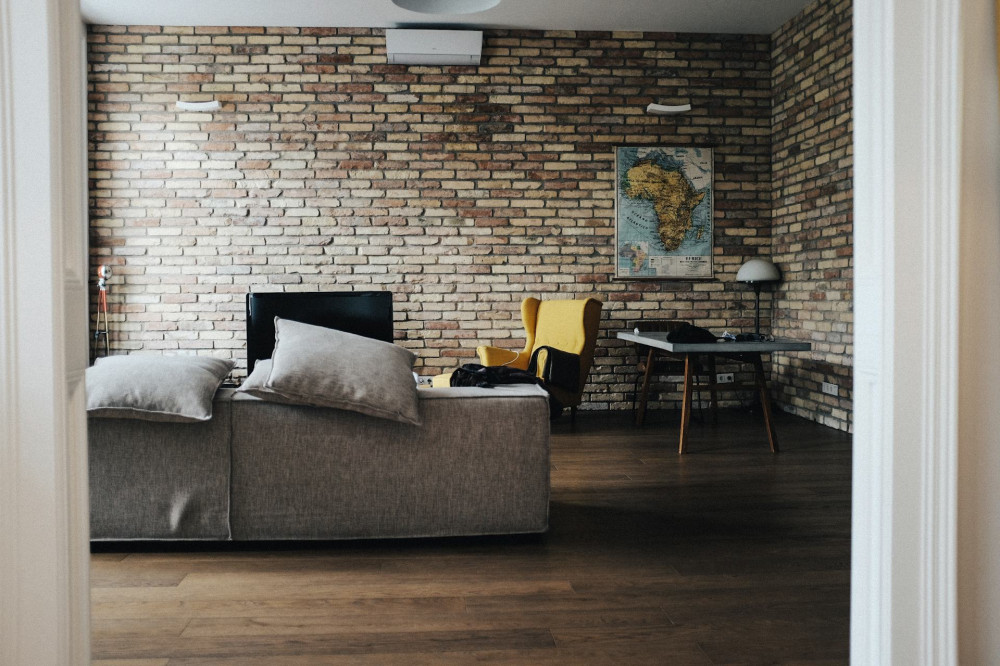
When decorating a room, it’s not just about colors, materials, or style – proportions matter just as much. A beautiful piece of furniture can look awkward if it doesn’t fit the room’s size or shape. The balance between furniture and space determines whether a home feels harmonious or cluttered. Here’s a guide to choosing furniture that suits your room’s proportions and creates a sense of calm and cohesion.
Start with the Room’s Shape
Before buying new furniture, take a good look at your room’s dimensions. Is it long and narrow, square, or does it have high ceilings? The shape of the room sets the framework for how furniture should be placed and what sizes will work best.
- Long, narrow rooms benefit from furniture that breaks up the length – for example, a round dining table or a sofa placed across the room rather than along the wall.
- Square rooms can handle larger, centrally placed pieces but need balance in height so the space doesn’t feel heavy.
- Rooms with high ceilings can feel cold or empty if the furniture is too low. Tall bookcases, floor lamps, or plants can help create visual connection.
Think of the room as a whole – your furniture should complement its proportions, not fight against them.
Measure Before You Buy
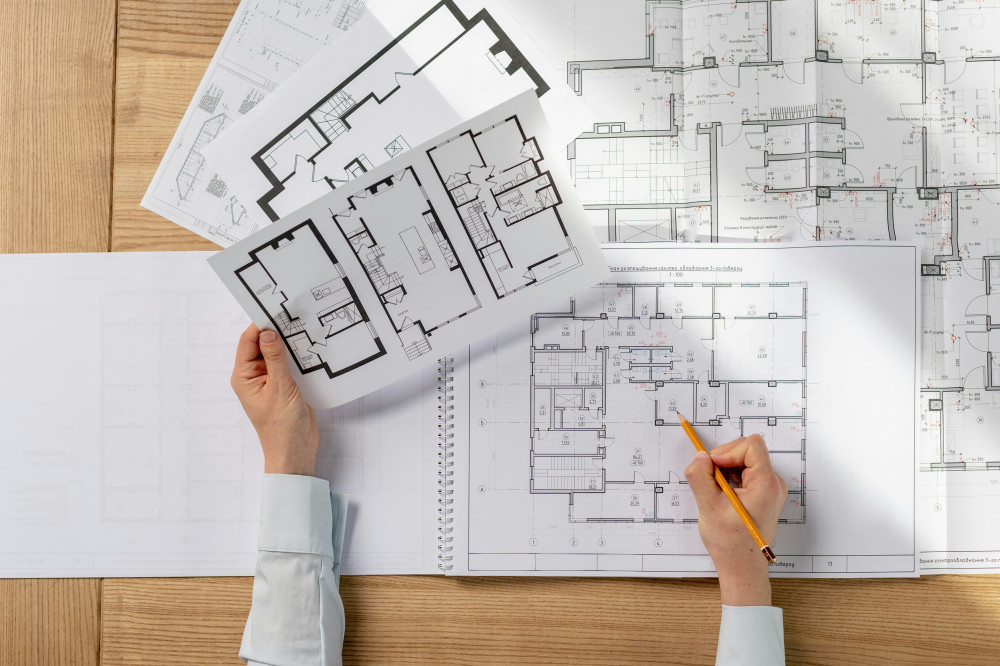
A common mistake is choosing furniture based on how it looks in the store, not how it will fit at home. Showrooms are spacious, which makes furniture appear smaller than it really is.
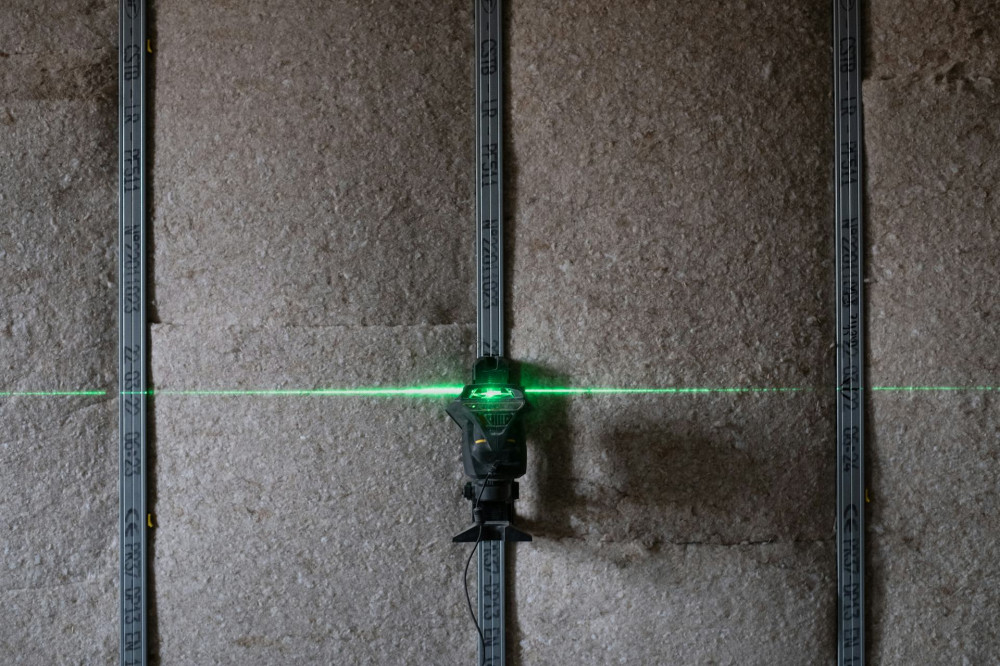
Measure both your room and the pieces you’re considering. Use painter’s tape on the floor to outline where a sofa, table, or bed would go. This gives you a realistic sense of how much space it will occupy.
As a rule of thumb, leave at least 24–28 inches of clearance around dining tables and seating areas so the room feels open and functional.
Læs også:



Balance Large and Small Elements
A harmonious room depends on balance – in size, height, and visual weight. If every piece is large and heavy, the space will feel crowded. Too many small items, on the other hand, can make it look messy and unanchored.
Mix different scales: a substantial sofa can be balanced with light side tables, a low bench, or an airy lamp. In a small room, one bold statement piece can often create more character than several small ones.
Also consider visual weight: dark colors and dense materials feel heavier than light or transparent ones. Glass, metal, and pale woods can add lightness where the room needs breathing space.
Use Height to Your Advantage
Many people focus on floor space and forget about vertical space. Working with height can bring balance and energy to a room.
- Hang shelves or artwork at varying heights to draw the eye upward.
- Use tall plants or floor lamps to create rhythm and movement.
- Avoid keeping all furniture at the same level – it makes the room feel flat and static.
In small spaces, tall and narrow furniture can make the most of limited square footage. In large rooms, lower pieces can create a sense of calm and openness.
Match Furniture to Function and Flow
A room should not only look good – it should work well in daily life. Think about how you move through the space and where you spend the most time. Furniture should support natural movement, not block it.
In the living room, arrange sofas and chairs to encourage conversation and a clear view of focal points like a window or fireplace. In the dining area, make sure there’s enough room to pull out chairs comfortably. In the bedroom, leave space to walk around the bed without obstacles.
When function and proportion align, the room feels both beautiful and comfortable.
Use Light and Color to Support Proportion
Light and color can dramatically change how we perceive a room’s size. Bright colors and good lighting make a space feel larger, while darker tones and softer light can make big, open rooms feel cozier.
If your ceiling is low, paint it a lighter shade than the walls to create the illusion of height. In a tall room, a slightly darker ceiling can bring the space into balance.
Lighting also plays a key role: choose fixtures that provide both practical illumination and visual proportion – for example, a low-hanging pendant over a dining table or a tall floor lamp in a corner.
Create Unity Through Repetition
To tie a room together, repeat shapes, colors, or materials in different elements. This creates rhythm and visual harmony. If you have a round pendant light over the dining table, echo that shape in a mirror or coffee table.
Repetition doesn’t mean everything has to match – it’s about creating a visual thread that connects the space. Often, it’s these subtle details that make the difference between a room that feels random and one that feels thoughtfully designed.
A Home in Balance
Choosing furniture according to your room’s proportions isn’t about strict rules – it’s about harmony. When size, shape, and function work together, a natural balance emerges that both the eye and body respond to.
A well-proportioned room feels good to be in, whether it’s large or small. It’s where furniture doesn’t just fill space – it gives it meaning.
Læs også: