Built-In Closet for the Whole Family – Practical and Organized

Built-In Closet for the Whole Family – Practical and Organized
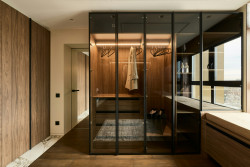
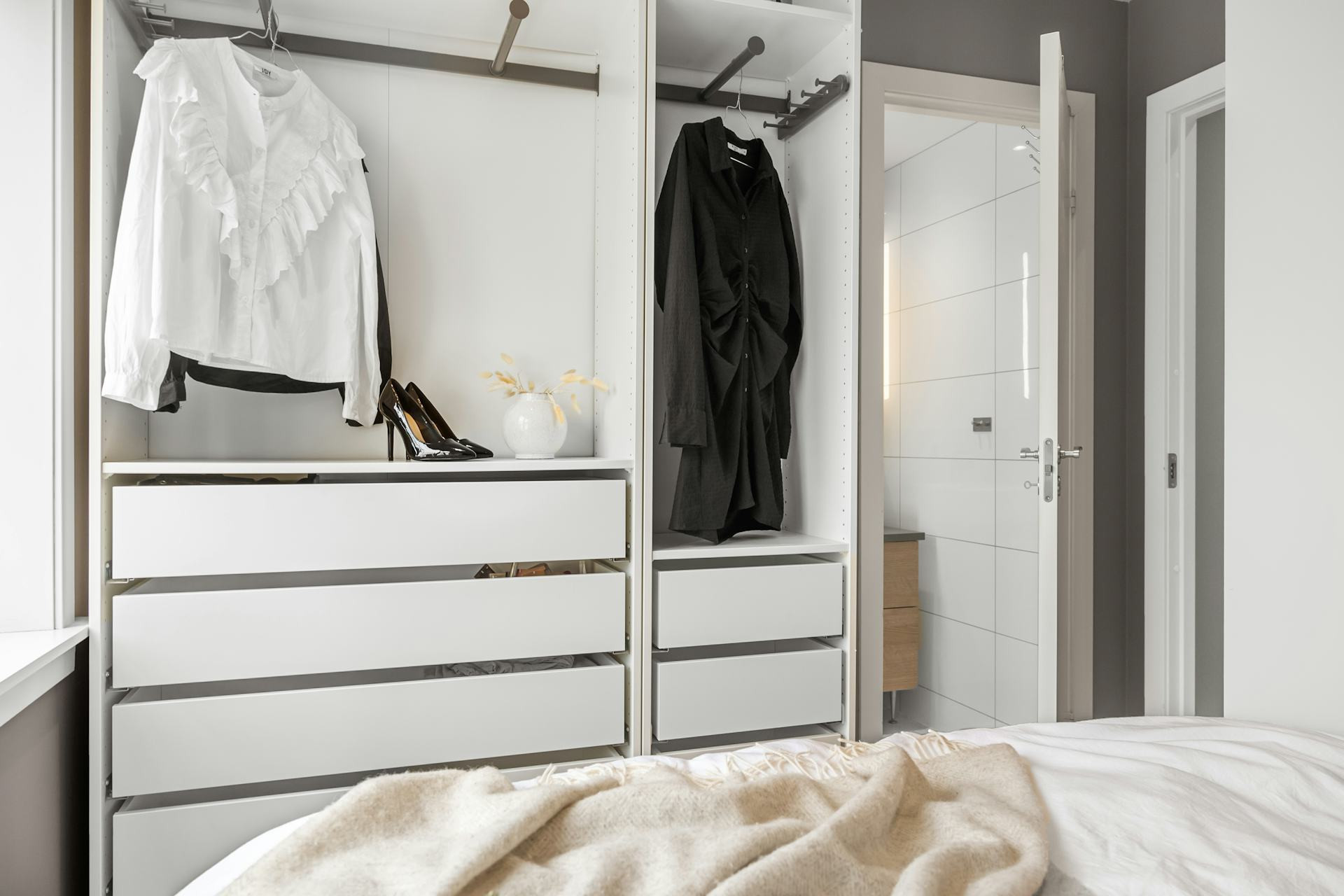
A built-in closet can be the perfect solution when the whole family needs to keep clothes, shoes, and accessories in order—without the mess and morning chaos. With the right planning, you can create a system that maximizes space and makes everyday life easier for everyone. Here’s how to design a closet that fits your family’s needs—practical, organized, and stylish.
Start by Identifying Everyone’s Needs
Before you start sketching or ordering your built-in closet, think about who will use it and what it needs to hold. A family with young children has different needs than a couple or a household with teens.
- Parents often need space for work clothes, casual wear, and shoes—plus a spot for bags, coats, or accessories.
- Kids need easy access to their clothes and shoes, with storage that grows with them.
- Shared storage might be needed for bedding, towels, or sports gear.
Make a list of what needs to fit in the closet and how often each item is used. This helps you prioritize where each section should go.
Make the Most of Every Inch
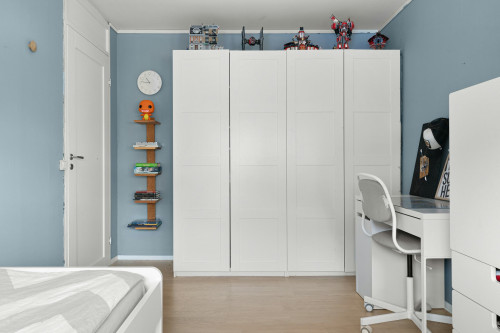
One of the biggest advantages of a built-in closet is that it uses the entire wall—from floor to ceiling. That means no wasted space.
- Top shelves are perfect for seasonal storage—winter coats in summer, beach gear in winter.
- The middle section should hold the items you use most often, within easy reach.
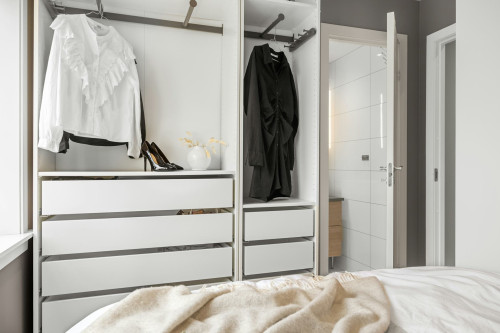
- The lower section can include drawers or baskets for shoes, gym clothes, or kids’ items.
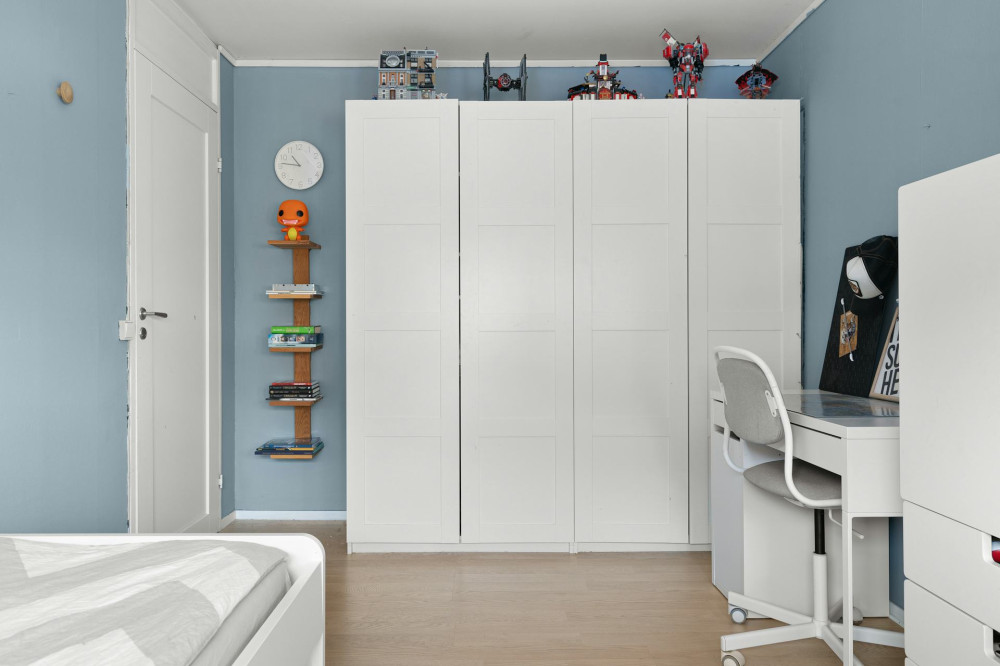
If your closet is in a narrow hallway or bedroom, consider sliding doors. They save space and give a clean, modern look.
Create Structure with Zones and Systems
A closet works best when everything has a designated place. Divide the space into zones by function or by family member.
Use a mix of storage types to keep things organized:
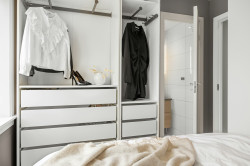
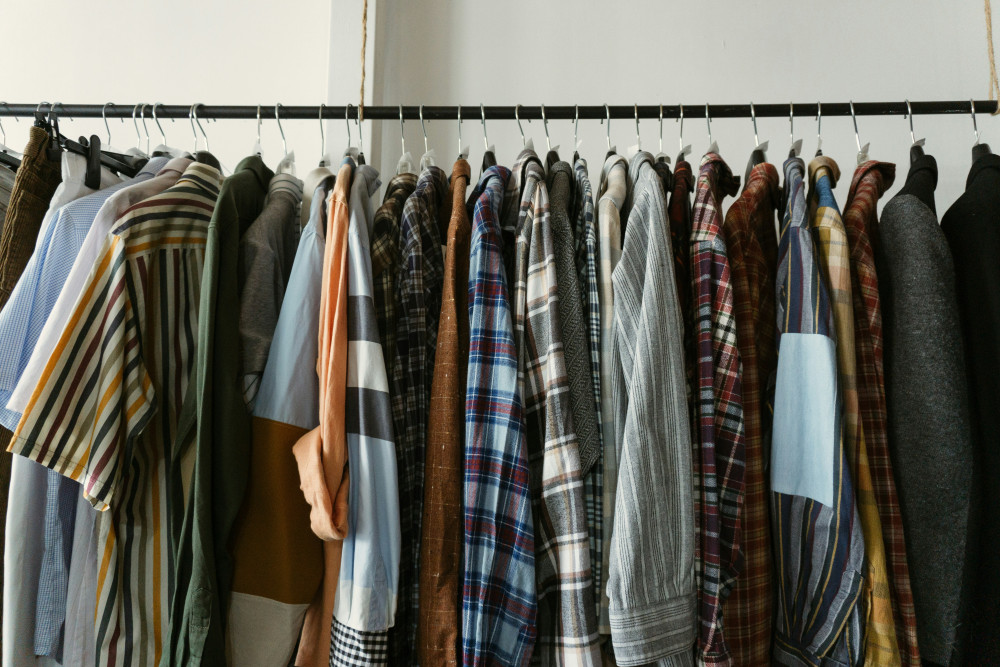
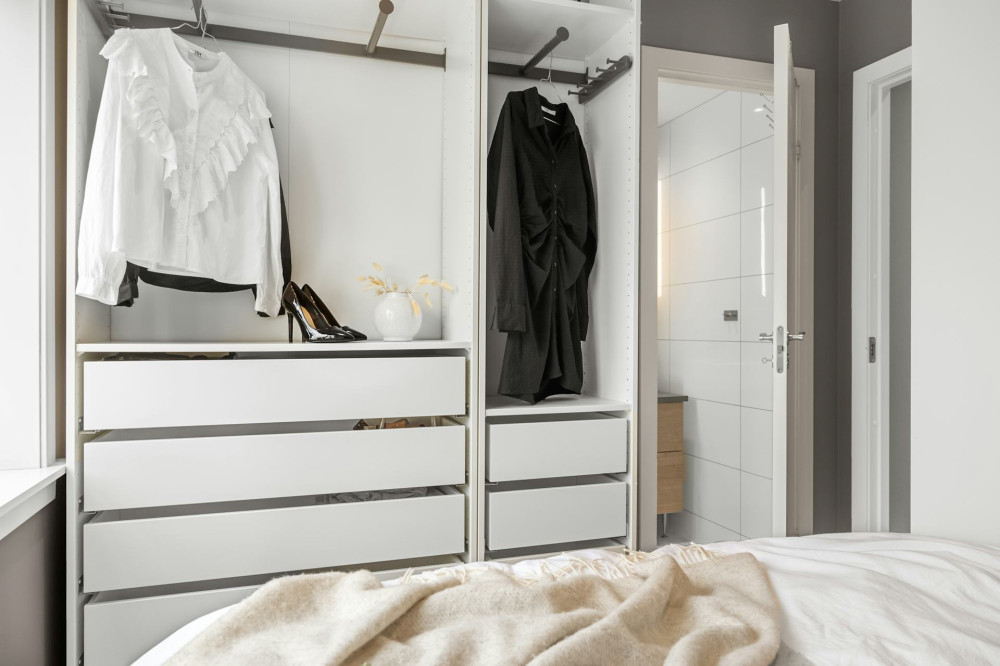
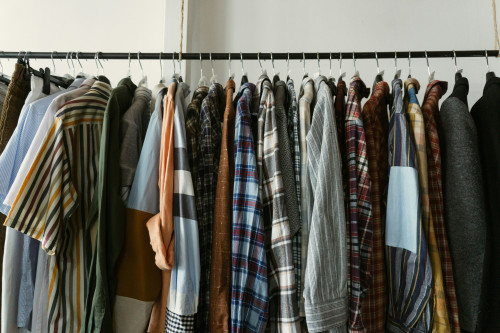
- Hanging rods for shirts, dresses, and jackets.
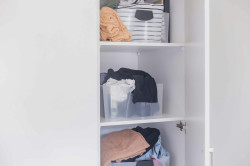
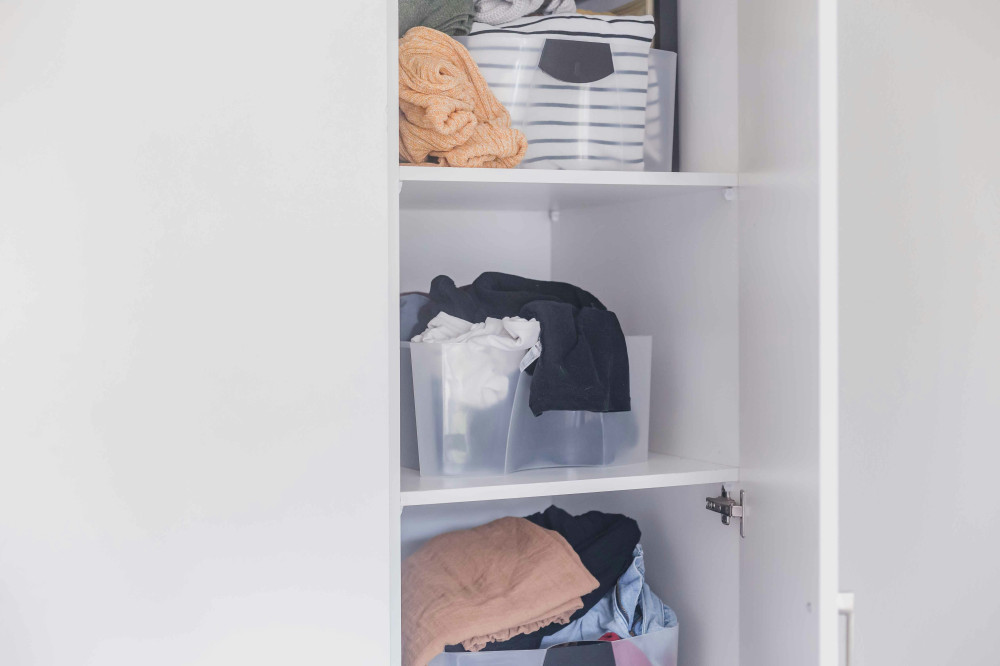
- Shelves for sweaters, jeans, and bins.
- Drawers for underwear, socks, and smaller items.
- Baskets or boxes for accessories like hats, gloves, and belts.
Labeling helps everyone stay organized—especially kids. Try color-coded bins or simple name tags so everyone knows where things belong.
Choose Durable Materials and Smart Design
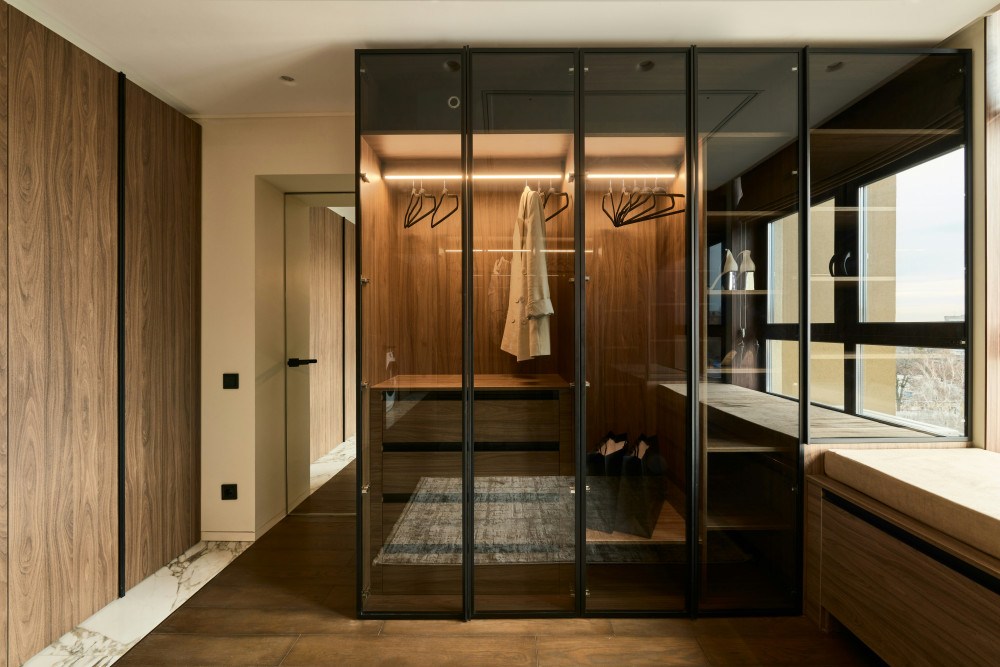
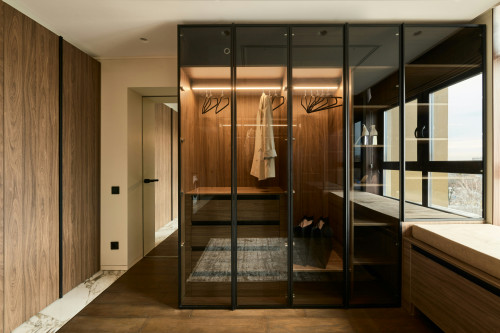
When a closet is used by the whole family, durability matters. Laminates and melamine finishes are tough and easy to clean, while wood adds warmth and a timeless look.
Lighting is another key element. Built-in LED lights make it easier to find what you need, even in darker corners. A mirror on the inside of a door or nearby wall adds both function and style.
Make It Kid-Friendly
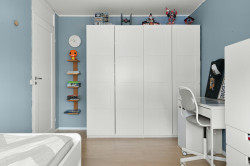
A family closet should be accessible to everyone. For kids, that means placing clothes and shoes at their height. Install a lower hanging rod or bins they can reach easily. This encourages independence and makes morning routines smoother.
You can also make the closet more fun for kids by using colors, pictures, or small icons to show where things go.
Keep It Organized Over Time
Even the best-designed closet needs regular upkeep. Set aside time a few times a year to declutter, reorganize, and adjust the layout. Kids grow, seasons change, and your storage needs will evolve.
A great tip is to keep a “donate” bin in the closet for clothes that no longer fit or are no longer worn. It keeps things moving and prevents clutter from building up.
Læs også:
A Closet That Grows with Your Family
A built-in closet is an investment in both function and peace of mind. When thoughtfully planned, it can adapt as your family changes—from toddlers to teens and beyond.
With flexible solutions, smart organization, and durable materials, you’ll have a system that keeps your home tidy and your mornings stress-free—while adding a touch of harmony to everyday life.
Læs også: