Order in the Garage: How to Prevent Accidents and Injuries

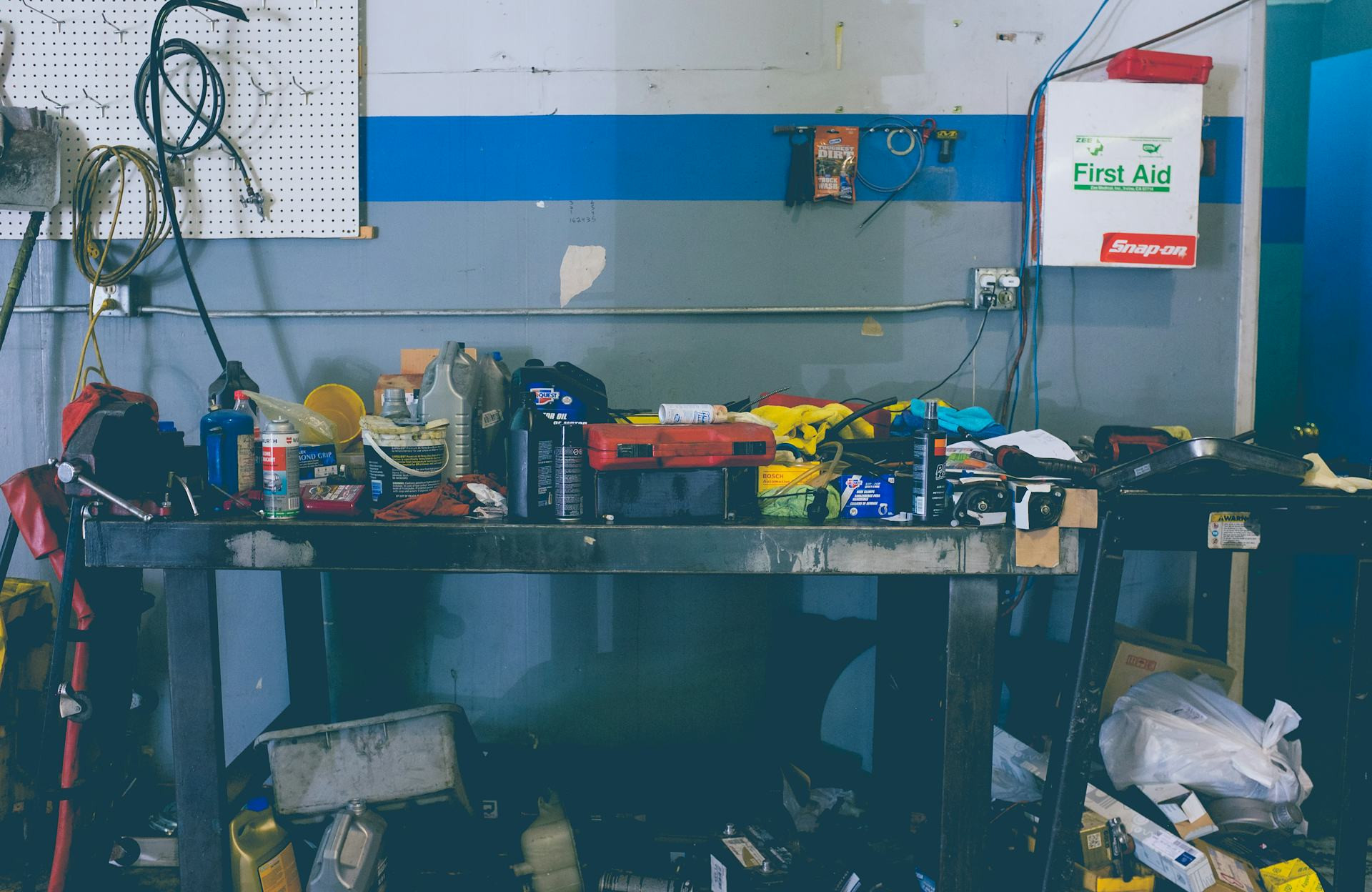
Order in the Garage: How to Prevent Accidents and Injuries
For many Americans, the garage is more than just a place to park the car. It’s a workshop, a storage area, and sometimes even a home gym. But because it often serves so many purposes, the garage can quickly become cluttered and hazardous. Sharp tools, heavy equipment, and flammable materials can all pose risks if not handled properly. With a bit of organization and attention to safety, you can turn your garage into a space that’s both practical and safe. Here’s how to prevent accidents and injuries in your garage.
Start with a Thorough Clean-Up
The first step toward a safer garage is to clear out the clutter. Take everything out and sort items into categories: tools, automotive supplies, lawn and garden equipment, paint, and chemicals. Get rid of broken tools, expired products, and anything you haven’t used in years. Old paint, oil, and cleaning products should be disposed of properly—most communities have hazardous waste collection sites or events.
Once you’ve decluttered, you’ll have a better sense of what you own and how to store it safely.
Give Everything a Designated Place
One of the best ways to prevent accidents is to make sure every item has a home. Hang tools on a pegboard or wall hooks instead of leaving them on the floor or workbench. Use shelves, bins, and labeled containers to keep things organized and easy to find.
Store heavy items like jacks, tires, and power tools on lower shelves to prevent them from falling. Lighter items can go higher up. This simple system reduces the risk of something toppling over and causing injury.
Store Chemicals and Flammable Liquids Safely
Garages often contain gasoline, motor oil, paint, and cleaning products—all of which can be dangerous if not stored correctly. Keep these materials in tightly sealed containers and away from heat sources such as water heaters, space heaters, or power tools.
If you have children or pets, store chemicals in a locked cabinet or on a high shelf. Always read and follow the safety instructions on product labels. When it’s time to dispose of old or unused chemicals, take them to your local hazardous waste facility rather than pouring them down the drain or throwing them in the trash.
Ensure Good Lighting and Ventilation
A dimly lit garage increases the risk of trips, falls, and other accidents. Install bright, energy-efficient LED lighting over your workbench and in key areas where you move around. Motion-sensor lights can also be a great addition for convenience and safety.
Ventilation is equally important, especially if you work with paints, solvents, or engines. Open the garage door or windows when working, and consider adding a fan or exhaust system to help remove fumes and dust.
Think About Ergonomics
Not all garage injuries come from accidents—many result from poor posture or lifting techniques. Set up your workbench at a comfortable height to avoid unnecessary bending or straining. When lifting heavy objects, bend your knees and keep your back straight.
A slip-resistant floor can also make a big difference. Rubber mats or epoxy coatings not only make cleaning easier but also reduce the risk of slipping on oil or water.
Keep Electrical and Heating Equipment in Check
Power tools and extension cords are essential in most garages, but they can be dangerous if misused. Avoid overloading outlets, and inspect cords regularly for fraying or damage. Use grounded outlets and surge protectors, and unplug tools when not in use.
If you use a space heater in the garage, keep it well away from flammable materials. Never use open flames or propane heaters in enclosed spaces—they can quickly lead to fires or carbon monoxide buildup.
Make Safety a Habit
Once your garage is organized, maintaining safety is all about consistency. Put tools back after each use, clean up spills immediately, and check regularly that shelves and storage systems remain stable. These small habits can prevent serious accidents.
If you have children, teach them that the garage is not a play area. Explain which items are dangerous and make sure they can’t access tools or chemicals.
A Safer Garage Is a Better Garage
A well-organized garage doesn’t just look better—it makes your home safer and your projects more enjoyable. When everything has its place and safety is part of your routine, you can work confidently and efficiently. With a little planning and care, your garage can be a space for creativity and productivity—without the risk of accidents or injuries.