Insulation Materials and Environmental Impact – Choose Wisely for a More Sustainable Home

Insulation Materials and Environmental Impact – Choose Wisely for a More Sustainable Home
When you insulate your home—whether you’re building new or upgrading an older house—the choice of material affects more than just comfort and energy bills. It also influences your home’s environmental footprint. Insulation plays a key role in reducing heating and cooling demands, but the materials themselves vary widely in how they impact the planet. Here’s an overview of common insulation types, their environmental profiles, and how to make a choice that supports both sustainability and long-term performance.
Why Insulation Matters for the Environment
A well-insulated home uses less energy for heating and cooling, which means fewer greenhouse gas emissions. But that’s only part of the story. The production, transportation, and disposal of insulation materials also carry environmental costs. To make a truly sustainable choice, it’s important to consider the entire life cycle—from raw material extraction to end-of-life recycling or disposal.
A responsible decision balances energy efficiency in use with the environmental impact of production. Some materials require significant energy to manufacture but last for decades, while others are made from renewable or recycled resources but may have shorter lifespans or require more maintenance.
Common Insulation Types and Their Environmental Profiles
Fiberglass and Mineral Wool
Fiberglass and mineral wool (rock wool) are among the most widely used insulation materials in the U.S. They’re effective, fire-resistant, and relatively affordable. Fiberglass is made primarily from recycled glass, while mineral wool is produced from natural rock or industrial slag.
- Pros: Good thermal performance, non-combustible, partially recyclable.
- Cons: Energy-intensive production, can irritate skin and lungs during installation, not carbon-storing.
- Environmental rating: Reliable and durable, but not the lowest-carbon option.
Cellulose Insulation
Cellulose insulation is made from shredded recycled paper treated with fire retardants. It’s typically blown into wall cavities or attics and is popular for retrofits.
- Pros: Low embodied energy, made from recycled content, excellent soundproofing.
- Cons: Can absorb moisture if not properly installed, may settle over time.
- Environmental rating: One of the most sustainable options, especially for existing homes.
Wood Fiber Insulation
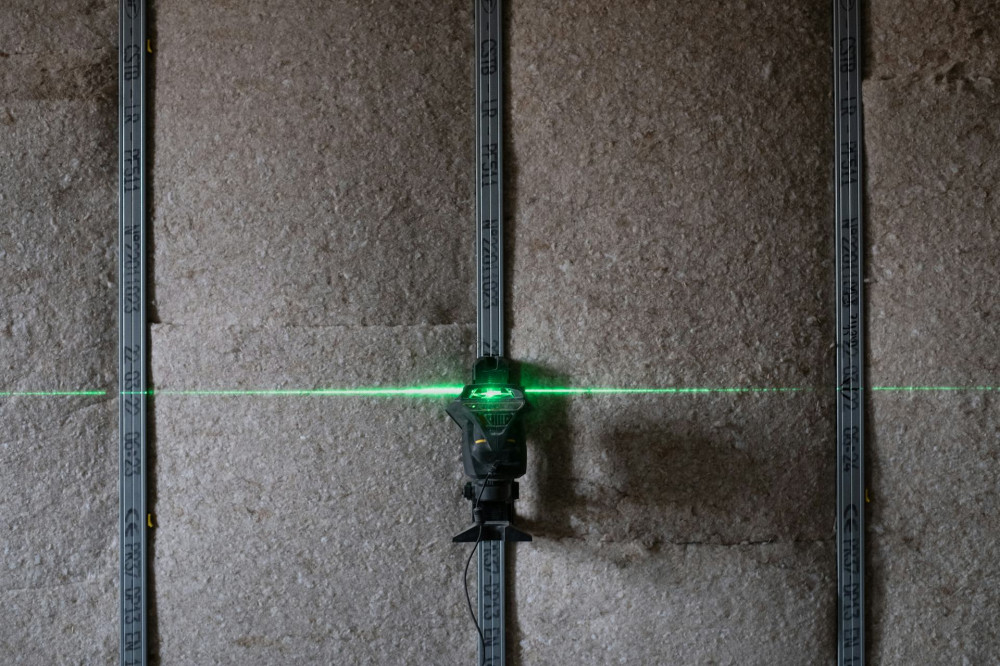
Wood fiber insulation is produced from sawmill by-products and sustainably harvested wood. It’s available as rigid boards or loose-fill material.
- Pros: Renewable, carbon-storing, good moisture regulation, compostable at end of life.
- Cons: Higher cost, limited availability in some regions, requires moisture protection.
- Environmental rating: Very eco-friendly when sourced from certified forests.
Natural Fiber Insulation (Hemp, Cotton, Wool)
Insulation made from natural fibers such as hemp, recycled denim, or sheep’s wool is gaining attention in green building. These materials are renewable and biodegradable.
- Pros: Non-toxic, renewable, good humidity control, pleasant to handle.
- Cons: More expensive, limited supply, may need additional pest or moisture protection.
- Environmental rating: Excellent for indoor air quality and sustainability, though not always the most practical choice for large-scale projects.
Foam Insulation (EPS, XPS, Polyurethane)
Foam-based insulation is common in foundations, roofs, and areas exposed to moisture. It offers high thermal resistance and durability but comes with environmental trade-offs.
- Pros: Very high insulating value, moisture-resistant, long lifespan.
- Cons: Made from petroleum, difficult to recycle, can release microplastics or greenhouse gases during production.
- Environmental rating: Effective but carbon-intensive—best reserved for applications where alternatives aren’t suitable.
Think Holistically – Beyond the Material Itself
Choosing insulation isn’t just about the product—it’s about the whole building system. A material with a higher production footprint can still be the greener choice if it dramatically reduces energy use over decades. Combining materials—for example, cellulose in the attic and mineral wool in exterior walls—can balance cost, performance, and sustainability.
Indoor air quality also matters. Natural materials can help regulate humidity and reduce chemical exposure, while synthetic materials may require vapor barriers and proper ventilation to prevent mold growth.
How to Choose Wisely
- Check life-cycle data – Look for Environmental Product Declarations (EPDs) that show carbon footprint and resource use.
- Prioritize local and recycled materials – Reducing transport and using waste resources lowers overall impact.
- Consider durability and maintenance – A long-lasting material can offset a higher initial footprint.
- Ensure proper installation – Even the best insulation fails if poorly installed.
- Combine with other energy upgrades – Air sealing, efficient windows, and ventilation systems amplify the benefits of good insulation.
A Sustainable Home Starts in the Walls
Choosing insulation with care is an investment in comfort, savings, and the planet. There’s no single “right” answer—it depends on your home’s design, location, and needs. But by thinking holistically and prioritizing materials with low environmental impact, you can create a home that stays comfortable year-round while treading lightly on the Earth.