If the Neighborhood Watch Is Being Misused – How to Handle It

If the Neighborhood Watch Is Being Misused – How to Handle It
Neighborhood Watch programs are built on trust, cooperation, and the shared goal of keeping communities safe. When they work as intended, they can deter crime and strengthen local bonds. But what happens if the program is being misused—if someone is overstepping boundaries, sharing private information, or using the group for purposes it wasn’t meant for? Here’s how to handle the situation with care and respect.
When Good Intentions Go Too Far
Most people join a Neighborhood Watch with the best intentions. But sometimes enthusiasm can cross the line. Maybe a neighbor is constantly monitoring who comes and goes, or posting photos of strangers online. That kind of behavior can create tension and mistrust—the opposite of what a Neighborhood Watch should promote.
It’s important to remember that Neighborhood Watch is about awareness, not surveillance. If you notice someone going too far, it’s best to address it early before it turns into a bigger conflict.
Start with a Calm, Honest Conversation
The first step is to talk directly with the person involved. Many people don’t realize their actions are making others uncomfortable. Explain how you feel and why the behavior concerns you. Use specific examples, but avoid sounding accusatory.
You might say something like:
“I really appreciate how much you care about keeping the neighborhood safe, but I get a little uneasy when photos of people walking by are posted online. Maybe we can find another way to share information?”
Often, a respectful conversation is enough to clear up misunderstandings and change behavior.
Know the Rules About Privacy and Surveillance
Even in the name of safety, there are limits to what’s allowed. U.S. laws and local ordinances set boundaries for surveillance and data sharing:
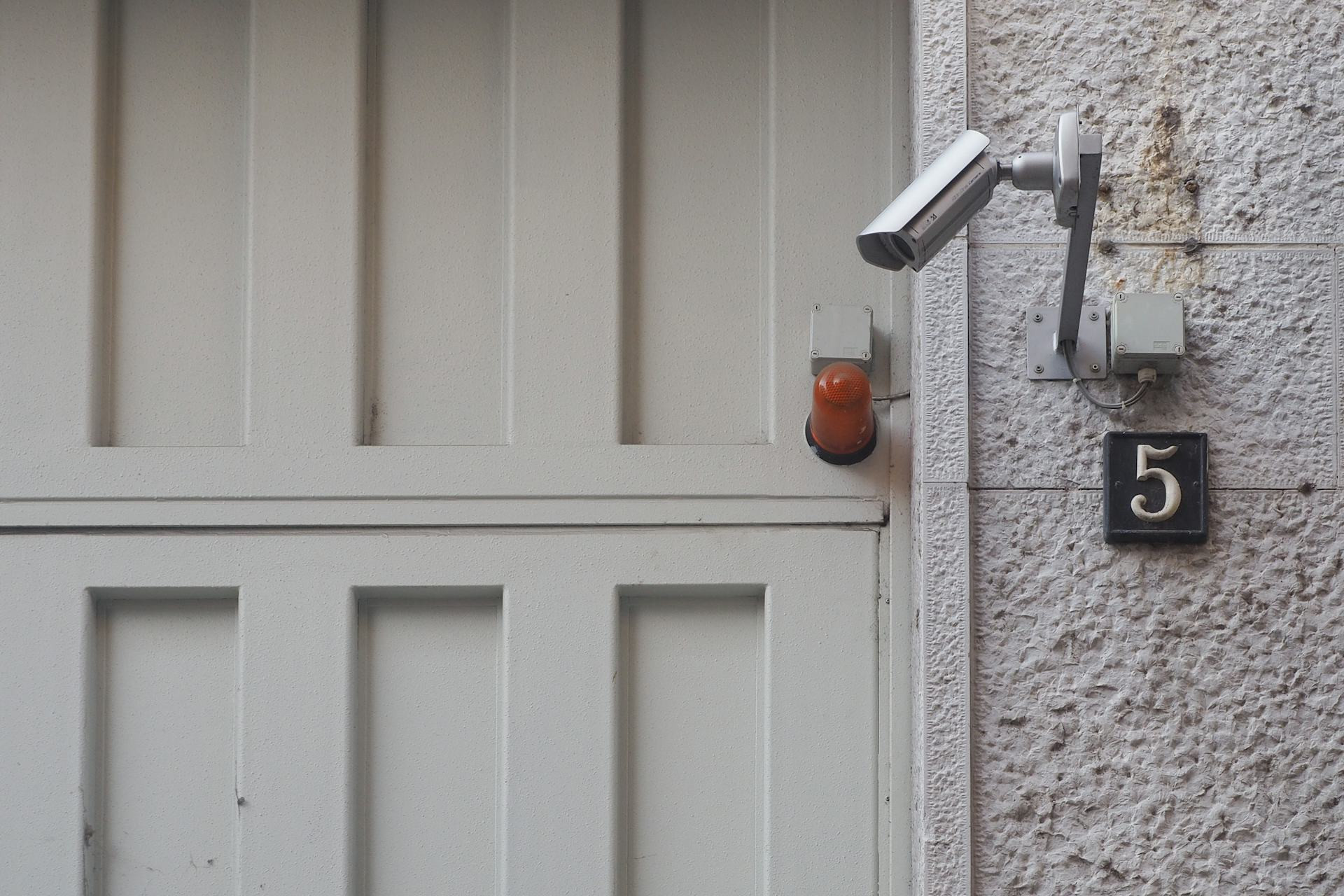
- Security cameras should only record your own property—not sidewalks, streets, or a neighbor’s yard.
- Photos or videos of individuals shouldn’t be shared publicly without their consent.
- Personal information such as names, addresses, or license plate numbers should be handled carefully and not posted online.
If someone is violating privacy laws or local regulations, you can refer them to official resources such as your city’s police department or local government website. In serious cases, it may be appropriate to contact law enforcement.
Use Official Communication Channels
Misunderstandings often arise when Neighborhood Watch discussions happen informally on social media. Posts can spread quickly, and tone can easily be misinterpreted. Consider using official channels instead—many communities have Neighborhood Watch coordinators or use platforms like Nextdoor or local police department apps that provide clear guidelines for sharing information safely.
If your group uses Facebook or another social platform, agree on some ground rules: what kind of information can be shared, how to discuss incidents respectfully, and how to protect neighbors’ privacy.
When Talking Isn’t Enough
If you’ve tried to resolve the issue directly but nothing changes, take the next step constructively. You can reach out to your Neighborhood Watch coordinator, homeowners association, or community board. They can help mediate the situation and remind everyone of the program’s purpose and boundaries.
In rare cases where behavior becomes harassing or invasive, it may be necessary to involve local authorities. Protecting your privacy and peace of mind is just as important as protecting your property.
Build a Healthy Neighborhood Culture
The best way to prevent misuse of a Neighborhood Watch is to foster a culture of trust and respect. You can do this by:
- Holding regular neighborhood meetings to discuss safety and cooperation.
- Agreeing on how to share information—preferably through official or moderated channels.
- Respecting each other’s privacy and personal boundaries.
- Focusing on community care rather than suspicion.
When everyone feels safe and heard, the Neighborhood Watch becomes a source of strength, not conflict.
Safety Depends on Trust
A successful Neighborhood Watch thrives on mutual trust and respect. When someone crosses the line, it’s usually out of misplaced enthusiasm, not bad intentions. By addressing issues early, understanding the rules, and using the right communication channels, you can help ensure your Neighborhood Watch remains what it’s meant to be—a community effort that makes everyone feel safer.