How to Extend the Lifespan of Your Wall Insulation

How to Extend the Lifespan of Your Wall Insulation
Good wall insulation is one of the most effective ways to save energy and maintain a comfortable indoor climate. But even the best insulation doesn’t last forever. Moisture, damage, and normal wear can reduce its performance over time—something you’ll notice in both your energy bills and home comfort. Fortunately, with a bit of maintenance and attention, you can significantly extend its lifespan. Here’s a guide to keeping your wall insulation in top shape.
Know Your Insulation Type
Before you can maintain your insulation, it’s important to know what kind you have. The most common types of wall insulation in U.S. homes include:
- Fiberglass batts or rolls – widely used in both new construction and retrofits; affordable and effective when properly installed.
- Blown-in cellulose – made from recycled paper, often used for adding insulation to existing walls.
- Spray foam (open- or closed-cell) – provides excellent air sealing and moisture resistance, common in newer or energy-efficient homes.
- Rigid foam boards (EPS, XPS, or polyiso) – used in exterior wall systems or basement walls for added thermal protection.
Each type has its strengths and weaknesses. Fiberglass can lose effectiveness if it gets wet, while spray foam is more moisture-resistant but harder to repair. Knowing your material helps you spot potential issues early.
Watch for Moisture and Ensure Proper Ventilation
Moisture is insulation’s worst enemy. When insulation gets damp, it loses its ability to trap heat, and mold can start to grow. That’s why good ventilation and moisture control are essential.
- Inspect for leaks around windows, doors, and wall penetrations. Even small gaps can let in water.
- Maintain proper ventilation in bathrooms, kitchens, and basements to prevent humidity buildup.
- Keep gutters and downspouts clear so rainwater is directed away from your home’s exterior walls.
If you notice musty odors, dark spots, or damp drywall, act quickly. A moisture meter or professional inspection can determine whether your insulation has been affected.
Avoid Damage During Renovations
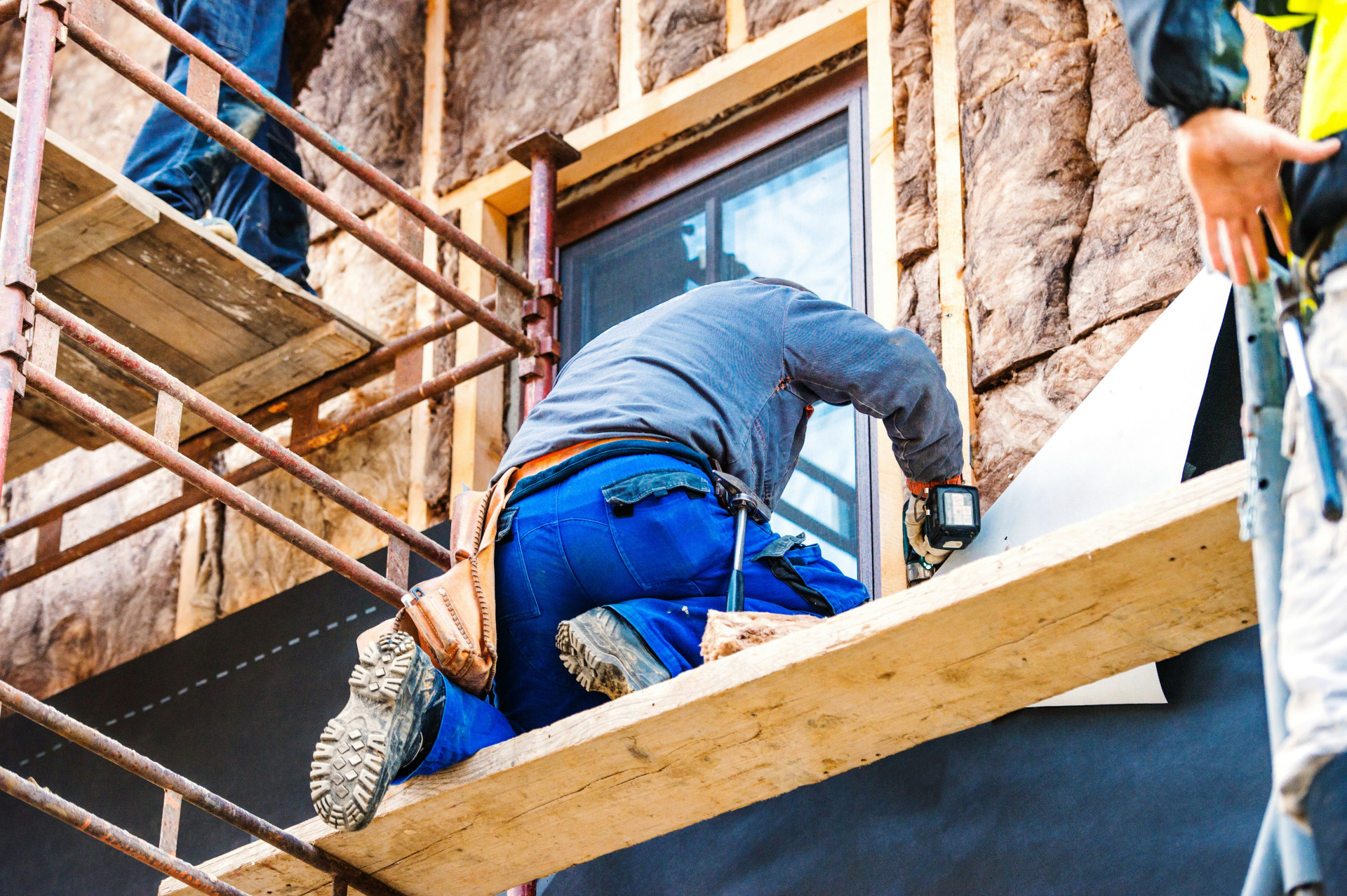
Many insulation problems occur during remodeling or home improvement projects. Drilling, cutting, or removing wall panels can accidentally damage the vapor barrier or the insulation itself.
- Always use appropriate tools and fasteners when working on walls.
- Avoid puncturing the vapor barrier unless you can reseal it properly afterward.
- For major projects—like replacing windows or siding—consider having a professional evaluate whether your insulation needs to be topped up or replaced.
A small mistake can lead to big problems later if moisture or cold air finds its way into the wall cavity.
Inspect the Exterior Regularly
Your home’s exterior is the first line of defense against the elements. Cracks, peeling paint, or damaged siding can allow water to seep in and compromise your insulation.
- Inspect your siding or brickwork at least once a year, ideally after winter.
- Repair cracks and gaps promptly to prevent water intrusion.
- If you have stucco or painted surfaces, look for flaking or bubbling, which can indicate trapped moisture.
A well-maintained exterior not only protects your insulation but also extends the life of your entire home.
Consider Reinsulating When Needed
Even if your insulation still works, it may be worth upgrading when you renovate. Modern materials often have better thermal performance and durability than older ones.
For example, if you have older fiberglass insulation that has settled or compressed, you can add blown-in cellulose or foam to improve efficiency. This is a relatively simple and cost-effective way to boost comfort and reduce energy use.
Always consult a home energy auditor or insulation professional to determine whether additional insulation makes sense and how to do it safely without creating moisture issues.
Think Holistically About Energy Efficiency
Insulation works best as part of a complete home energy system. Poorly sealed windows, drafty doors, or inadequate ventilation can undermine even the best wall insulation.
Take a whole-home approach:
- Ensure balanced ventilation to prevent moisture buildup.
- Combine insulation with energy-efficient windows and doors.
- Plan energy upgrades as part of a long-term home improvement strategy.
When all components work together, your insulation lasts longer—and your home stays more comfortable and efficient.
A Smart Investment for the Long Term
Caring for your wall insulation doesn’t require major effort, but it can make a big difference over time. Regular inspections, prompt repairs, and good ventilation are key to preserving its performance for many years.
It’s not just about saving energy—it’s about protecting your home from moisture and mold, maintaining comfort, and ensuring your investment continues to pay off season after season.