Home Insulation Upgrades: How to Prepare Your House for Future Energy Standards

Home Insulation Upgrades: How to Prepare Your House for Future Energy Standards
Energy efficiency standards in the United States are becoming increasingly ambitious, and with rising utility costs, there are both financial and environmental reasons to improve your home’s insulation. Upgrading insulation is one of the most effective ways to reduce heat loss, enhance comfort, and future-proof your property. But where should you begin, and what should you keep in mind? Here’s a guide to help you prepare your home for the energy standards of tomorrow.
Why Upgrade Your Insulation?
In many older American homes, a significant portion of heating and cooling energy escapes through the attic, walls, floors, and windows. That means you’re essentially paying to heat or cool the outdoors. By improving insulation, you can dramatically reduce energy waste and lower your utility bills.
Better insulation also creates a more comfortable indoor environment. Temperatures stay more consistent, drafts are minimized, and humidity levels are easier to control. In addition, energy-efficient upgrades can increase your home’s resale value and make it more attractive to future buyers.
Start with an Energy Audit
Before making any upgrades, it’s wise to schedule a home energy audit. A certified energy auditor can identify where your home is losing energy and recommend the most cost-effective improvements.
A typical audit may include:
- Thermal imaging to pinpoint areas of heat loss.
- Inspection of attic, walls, floors, and windows for insulation gaps.
- Analysis of potential savings and payback periods for different upgrades.
A professional assessment helps you prioritize projects and avoid costly mistakes.
Key Areas to Insulate
Attic and Roof
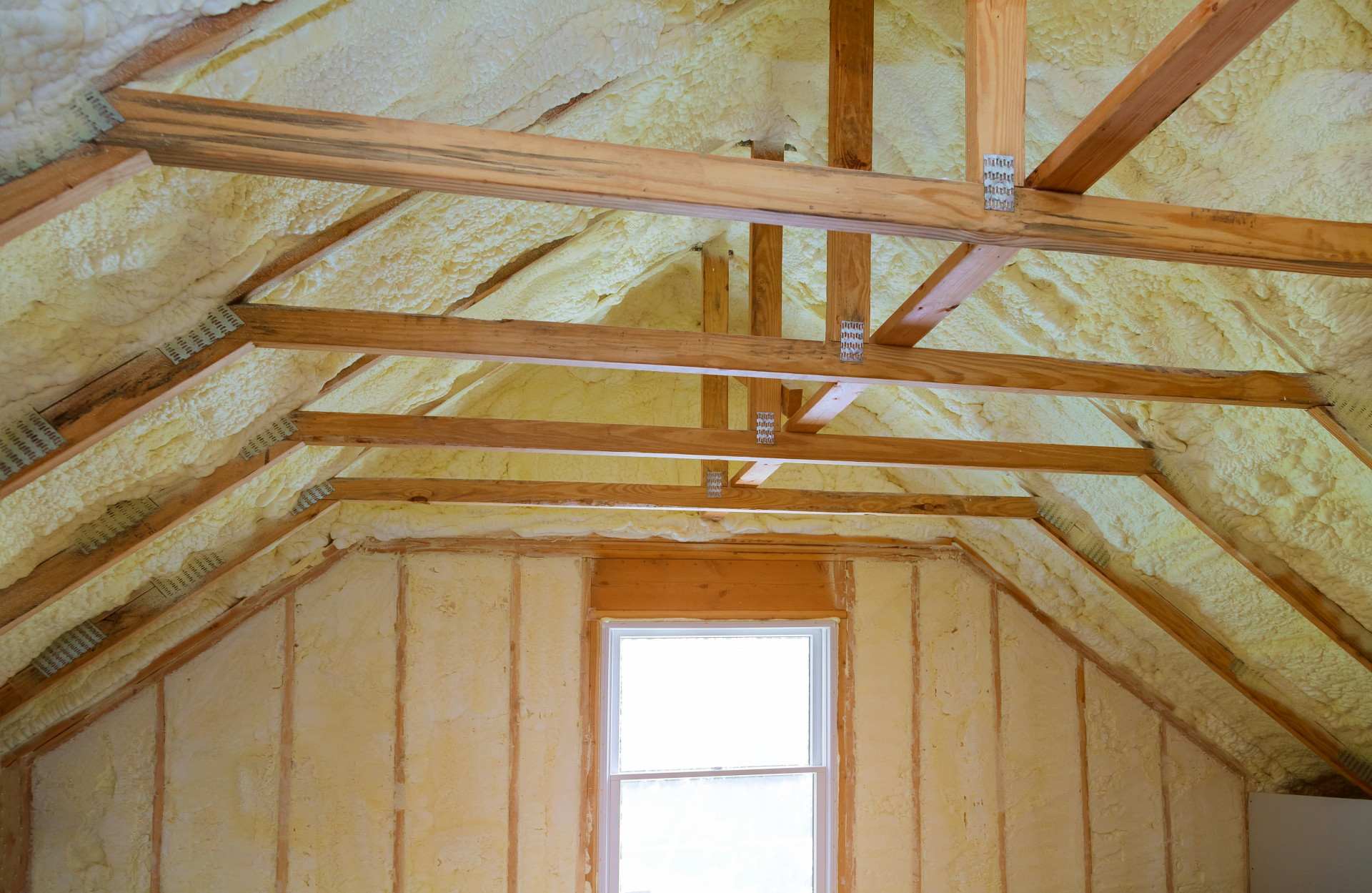
The attic is often the best place to start. Because warm air rises, an under-insulated attic can account for up to 25–30% of a home’s heat loss. If your attic insulation is less than 12–15 inches thick, adding more can yield significant savings. Be sure to maintain proper ventilation to prevent moisture buildup.
Exterior Walls
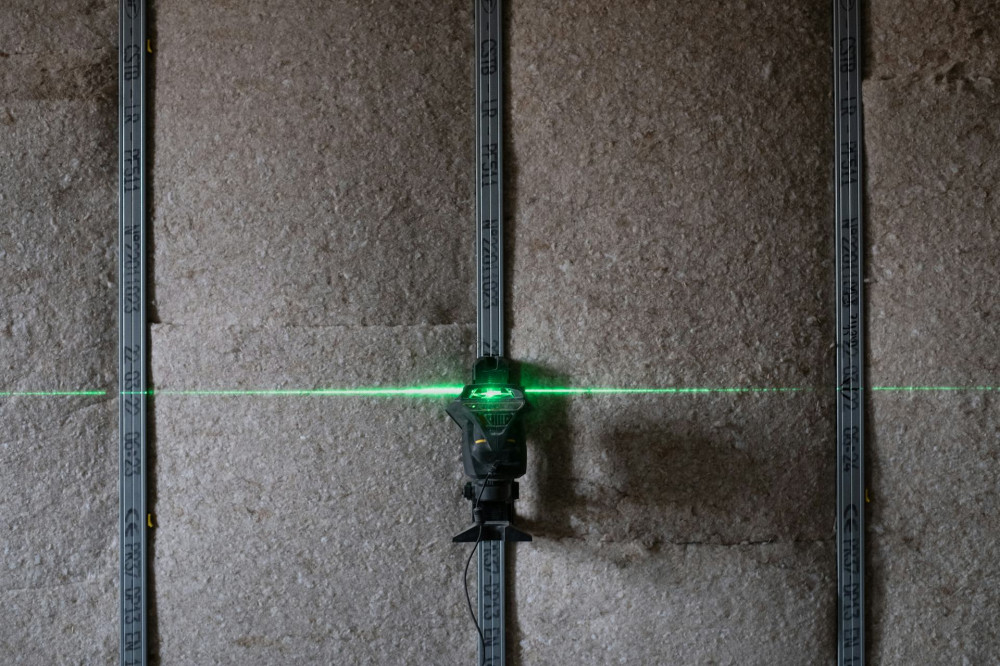
Many older homes have little or no wall insulation. Depending on your home’s construction, you may be able to add insulation to wall cavities using blown-in cellulose or spray foam. For major renovations, exterior insulation systems can provide excellent performance but may require changes to siding or trim.
Floors and Basements
Cold floors and drafty basements are common in older houses. Insulating basement walls or crawl spaces can make a big difference in comfort and energy efficiency. This type of work is more involved and is often best done during larger remodeling projects.
Windows and Doors
While windows aren’t insulated in the same way as walls, they play a major role in energy performance. Replacing old single-pane windows with ENERGY STAR®-rated double or triple-pane models can significantly reduce heat loss. If replacement isn’t an option, weatherstripping and storm windows can still improve efficiency.
Choosing the Right Materials
There are many insulation materials available, each with its own advantages. The best choice depends on your home’s structure, climate zone, and budget.
- Fiberglass and mineral wool are affordable, widely available, and easy to install.
- Cellulose insulation, made from recycled paper, is an eco-friendly option that fills irregular spaces well.
- Spray foam insulation provides excellent air sealing and high R-values but is more expensive.
- Rigid foam boards are ideal for basements, exterior walls, and foundations.
Whatever material you choose, proper installation is crucial. Pay attention to air sealing, moisture control, and ventilation to ensure long-term performance.
Common Mistakes to Avoid
Insulation upgrades can deliver big benefits, but poor installation can lead to problems. Watch out for these common pitfalls:
- Missing or damaged vapor barriers can cause moisture and mold issues.
- Over-sealing without ventilation can lead to poor indoor air quality.
- Uneven insulation coverage can create cold spots and condensation.
For major projects, hiring a qualified contractor is often the best way to ensure the job is done right.
Costs, Incentives, and Payback
Insulation upgrades are an investment that pays off over time through lower energy bills. Depending on the scope of work and local energy prices, many projects have a payback period of 5–10 years.
Homeowners may also qualify for federal tax credits, state rebates, or utility incentives for energy-efficient improvements. Check the U.S. Department of Energy’s website or your local utility provider for current programs in your area.
The Future of Energy-Efficient Homes
Upgrading your home’s insulation isn’t just about saving money—it’s about preparing for a more sustainable future. A well-insulated home uses less energy, produces fewer emissions, and provides a healthier, more comfortable living environment.
Whether you live in a century-old farmhouse or a mid-century suburban home, the right insulation improvements can help you create a space that’s efficient, resilient, and ready for the energy standards of the future.